Zoonotic diseases
This page is reference information compiled from the cited sources. It is not medical advice. For any decision about health, diagnosis or care, consult a qualified professional.
What it is
A zoonosis or zoonotic disease is an infectious disease of humans caused by a pathogen which is transmitted from a non-human animal to a human. The pathogen can be an infectious agent, such as a virus, bacterium, parasite, fungus or prion. When humans infect non-humans, it is called reverse zoonosis or anthroponosis. Major modern diseases such as Ebola and salmonellosis are zoonoses. HIV was a zoonotic disease transmitted to humans in the early part of the 20th century, though it has now evolved into a separate human-only disease. Zoonoses can be caused by a range of disease pathogens such as emergent viruses, bacteria, fungi and parasites.
Key facts
Of 1,415 pathogens known to infect humans, 61% were zoonotic. It is estimated that approximately 60% of known human infectious diseases and up to 75% of emerging infectious diseases are zoonotic in origin. Zoonotic diseases frequently emerge through spillover events, in which pathogens are transmitted from animal reservoirs to human populations. The likelihood of spillover is influenced by environmental and anthropogenic factors, including deforestation, land-use change, and increased human encroachment into wildlife habitats. Climate change further contributes by altering the distribution of vectors such as mosquitoes and ticks, thereby influencing transmission dynamics. The emergence of zoonotic diseases originated with the domestication of animals. Recently, there has been a rise in frequency of appearance of new zoonotic diseases, with a study estimating approximately 1.67 million undescribed viruses are thought to exist in mammals and birds, up to half of which are estimated to have the potential to spill over into humans.
When to seek professional help
Close contact with sheep who have recently given birth can lead to infection with the bacterium Chlamydia psittaci, causing chlamydiosis, as well as increase the risk of Q fever, toxoplasmosis, and listeriosis, in the pregnant or otherwise immunocompromised. Toxoplasmosis can be severe in immunocompromised individuals and pregnant women, potentially leading to complications. Hepatitis E infection can lead to acute liver disease and is particularly dangerous for pregnant women. Cryptosporidiosis mainly affects the immunocompromised. Glanders primarily affects those who work closely with horses and donkeys, while close contact with cattle can lead to cutaneous anthrax infection. Inhalation anthrax infection is more common for workers in slaughterhouses, tanneries, and wool mills. Veterinarians are exposed to unique occupational hazards when it comes to zoonotic disease, including an increased risk of injuries.
Source: Zoonosis (CC BY-SA 4.0 (Wikipedia)), retrieved 2026-10-14.
Latest reporting
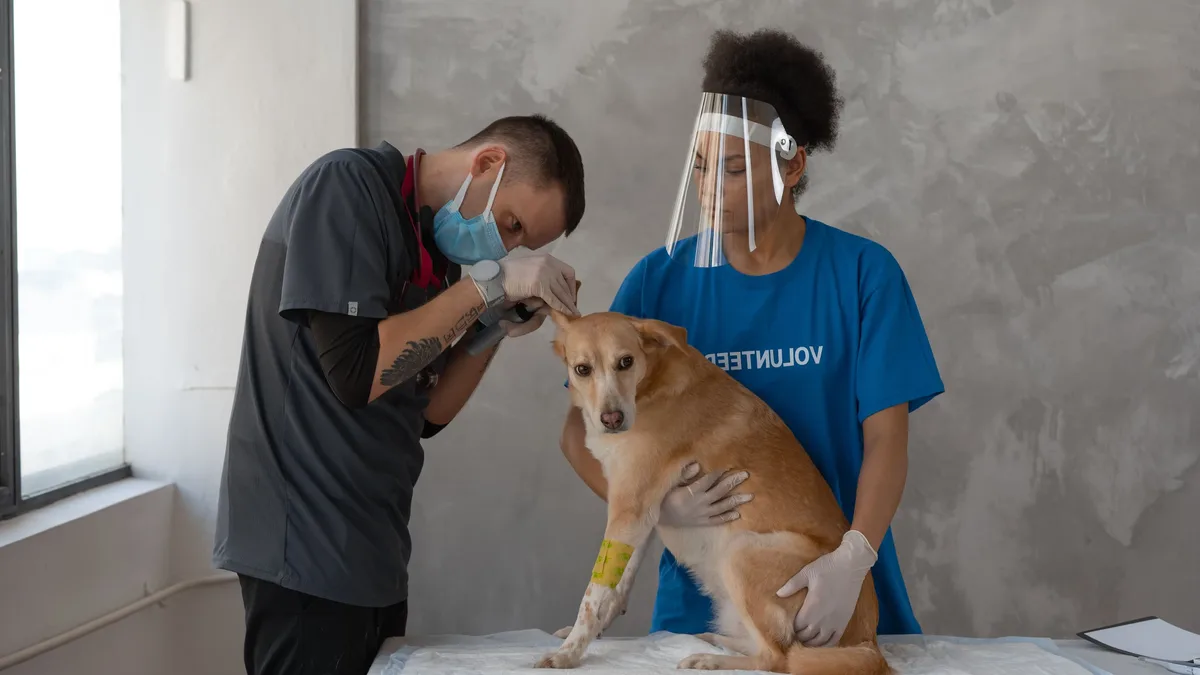
Professor Carla Maia Wins 2026 WSAVA One Health Award
Veterinarian Carla Maia won the 2026 WSAVA Global One Health Award for her work on vector-borne diseases and integrating pet care into the One Health...
One Health Investment Case Highlights Global Health Threats
The economic burden of zoonotic diseases and antimicrobial resistance demands integrated investment in human, animal, plant and ecosystem health, as...