Thanksgiving and Halloween Pose High Pet Health Risks
Veterinary hospitals see a surge in pet emergencies during Thanksgiving and Halloween due to toxic foods, decorations, and stress, requiring urgent preventive action.
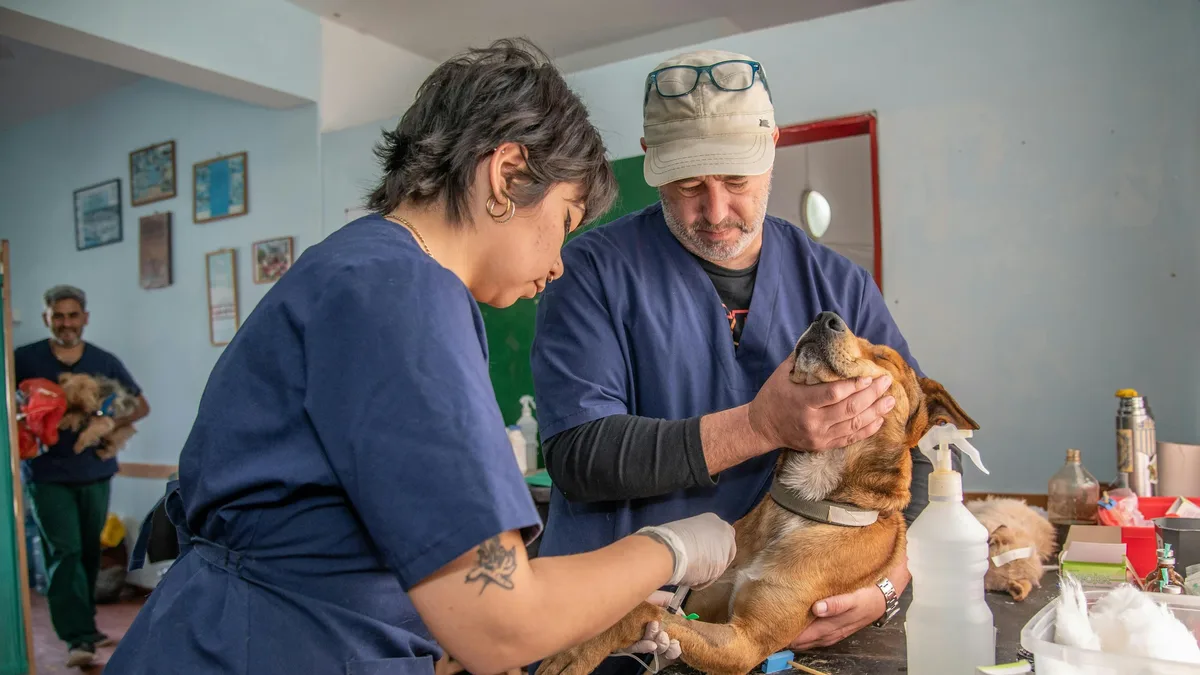
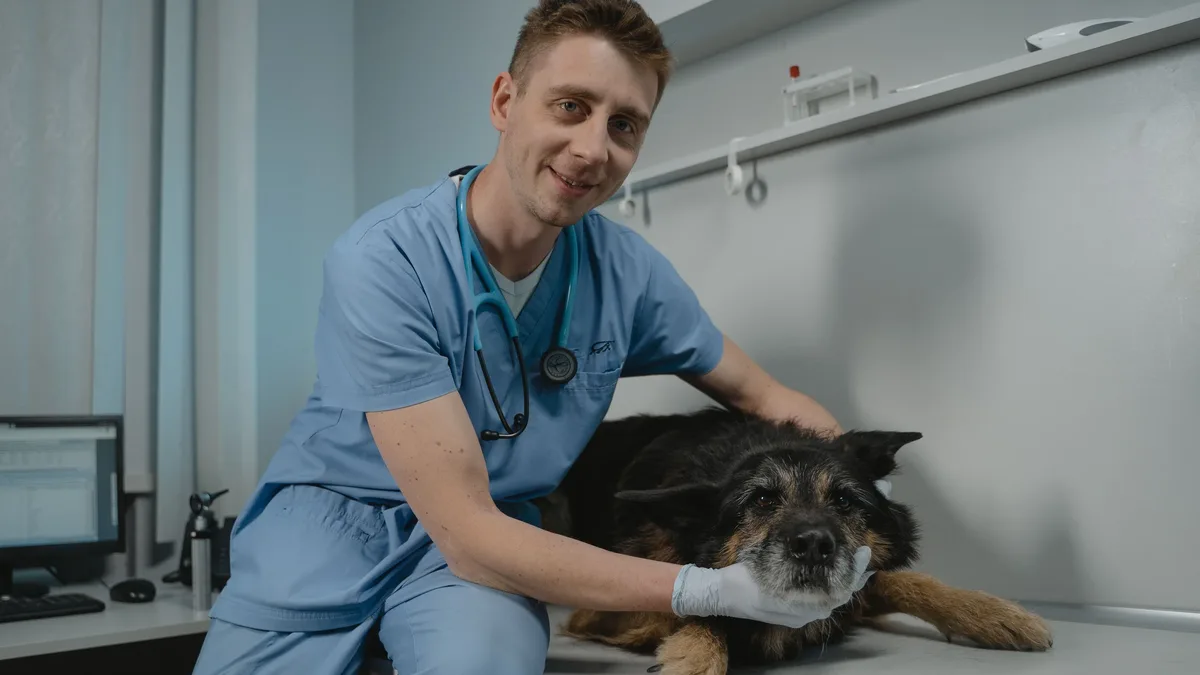
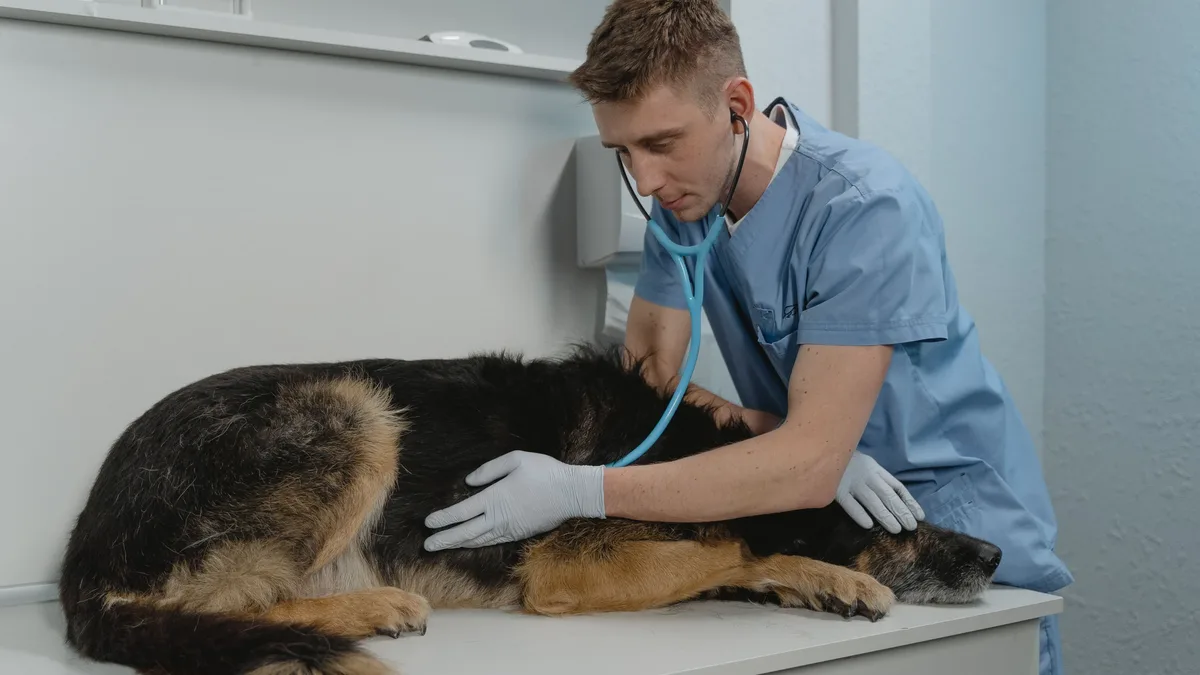
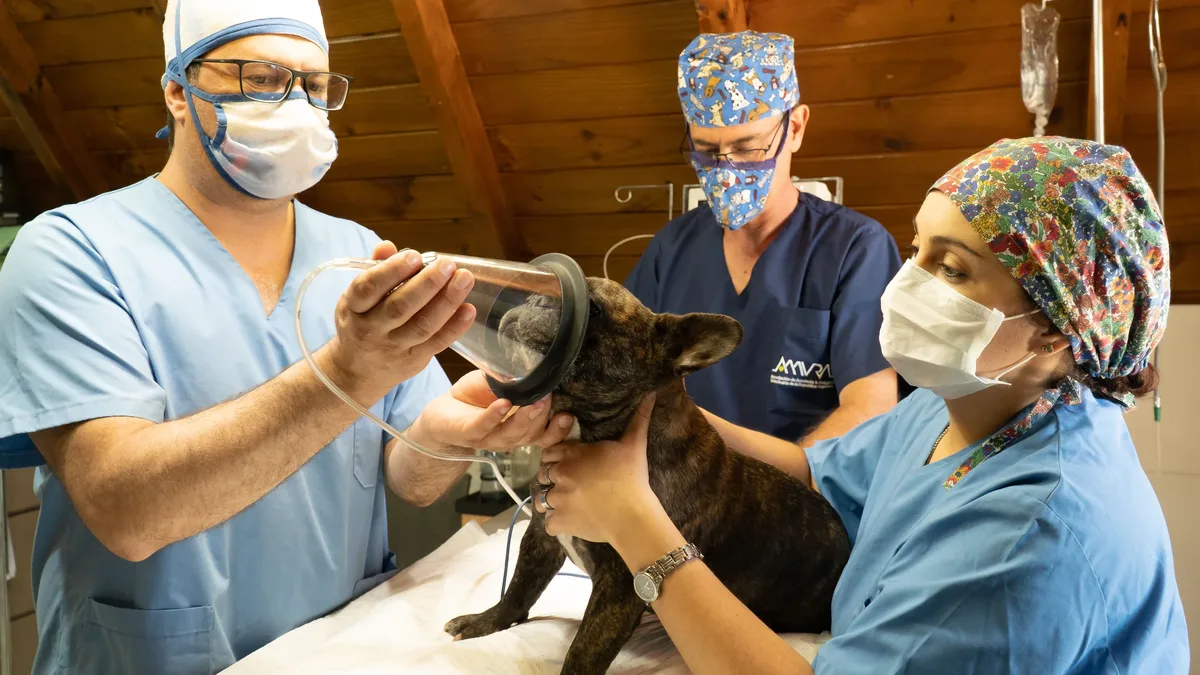
Thanksgiving brings a spike in digestive emergencies for pets at the Washington State University Veterinary Teaching Hospital, driven by high-fat foods and sudden dietary changes. The hospital treats more cats and dogs for vomiting, diarrhea, and related issues during the holiday period.
High-fat foods like turkey skin, gravy, and buttery sides can trigger pancreatitis, a condition causing abdominal pain, vomiting, diarrhea, and lethargy that can be life-threatening. The safest option is to skip "people food" altogether, though a small piece of plain, cooked turkey without skin or seasoning is usually fine. Beyond fats, foods containing onions, garlic, chocolate, or alcohol are dangerous. Bones from turkey or ham can splinter and cause intestinal blockages. Pet owners must keep leftovers, trash, and unattended food out of reach, securing garbage cans with lids and storing extra food in cabinets or the fridge.
Holiday plants and decorations like poinsettias, mistletoe, and lilies are also toxic to pets. Stress from routine changes, travel, or guests may lead to nausea or anxiety. Providing a quiet retreat such as a bedroom, crate, or fenced yard helps pets relax, and boarding at a trusted facility is recommended for overly anxious animals. The WSU Veterinary Teaching Hospital offers emergency care for pets 24/7, year-round at 509-335-0711, but this information is not a substitute for veterinary care and Washington State University assumes no liability for injury.
Halloween Candy and Costume Hazards
Halloween presents unique dangers including toxic treats, costume-related injuries, and stress from holiday activity. Emergency animal clinics see a spike in cases during October. While chocolate is a known threat, treats made with xylitol are also harmful, and pets may eat candy wrappers, which can cause issues if swallowed. If a pet gets into candy, owners should contact their veterinarian or poison control immediately.
Costumes should be comfortable and not restrict movement. Best Friends Animal Society recommends ensuring pets can see clearly and removing small parts that can be chewed off and swallowed. Susan Nelson, a veterinarian at Kansas State University, advises testing costumes ahead of time and using a festive bandana if pets show signs of distress. Experts recommend keeping pets inside and away from the front door, as trick-or-treaters, doorbells, and costumes can be stressful. Ingesting chocolate, glow sticks, or moldy pumpkins requires contacting a veterinarian or the ASPCA pet poison hotline at 855-764-7661.
General Holiday Safety Precautions
The period from Halloween to Thanksgiving sees increased safety risks beyond food and costumes. Drivers should slow down for visibility, watch for pedestrians, put phones away, and exercise greater caution in darkness. On highways like I-15, which experiences heavy holiday traffic, drivers should check traffic reports, leave stopping room, buckle all passengers, and avoid tailgating. Planning overnight stays, choosing sober drivers, and taking breaks on long drives can prevent fatigue-related injuries.
At home, hosts should address wet or icy steps, warn guests about hazards, and check porch lighting. Hot oil from turkey fryers can cause severe burns and fires; fully thawing and drying the turkey, avoiding indoor frying, and keeping people clear of oil are essential. Separating pets from crowds is also advised. Pet owners should ensure pets are microchipped and wear an ID tag. A little bit of preparation can really keep Halloween super fun and keep your pet out of the ER. Keep holiday foods out of reach, secure trash, avoid costumes that restrict movement, and contact a vet immediately if symptoms like vomiting or lethargy appear.