Regenerative Approach Targets Root Causes of Chronic Pet
A veterinary article argues chronic pet skin conditions, often misdiagnosed as simple allergies, stem from systemic imbalances in adrenal function, gut
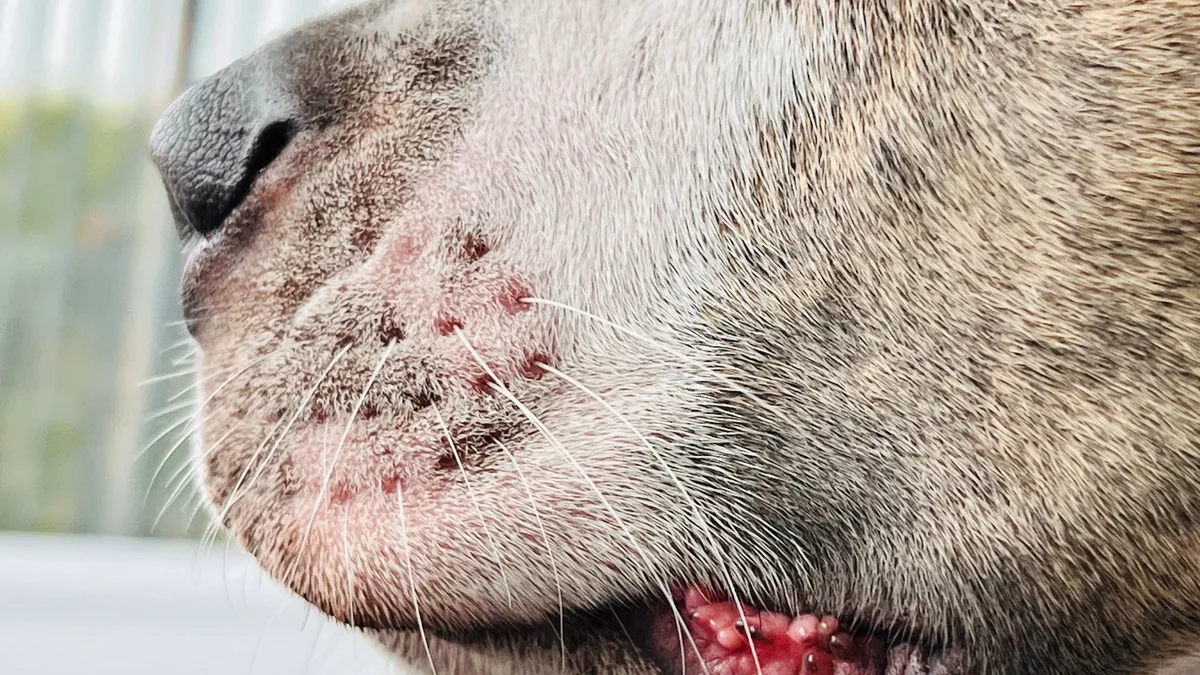
Chronic skin disease in pets, frequently dismissed as seasonal allergies, often signals deeper systemic problems involving adrenal function, toxin burden, immune dysregulation, and gut health. Treating these cases with corticosteroids or antihistamines alone is like turning off a smoke alarm instead of putting out the fire, according to a report on Veterinary Practice News. The article details a regenerative approach that moves beyond symptom suppression to address underlying causes for lasting resolution.
The Adrenal-Endocrine Axis
Endocrine disorders are primary contributors to chronic skin presentations. A growing number of animals suffer from allergies to foods, mold, chemicals, and environmental substances. The goal of corrective therapy is to identify why the body cannot cope with stress. A 2017 study in the Journal of the American Holistic Veterinary Medical Association by Dr. Ava Frick found 94 percent of dogs in the study had high sodium-to-potassium ratios with low calcium and magnesium, indicating inflammation. Adrenal insufficiency, a key driver of allergies, can be identified through hair tissue mineral analysis (HTMA). Deficiencies in vitamins A, C, D, and E, along with manganese, copper, and pantothenic acid, impair adrenal function.
High histamine levels increase allergic reactions. Calcium and magnesium deficiencies in fast oxidizers increase cell membrane permeability, allowing histamine to flood tissues. Zinc deficiency triggers further histamine release. Correcting these imbalances with targeted nutrient support can reduce reactivity. Food allergies can sometimes be traced to high copper content in foods like wheat, corn, and soy, which depletes vitamin C and zinc and impairs liver detoxification. Copper imbalance is often undetectable on standard blood panels but can be seen on HTMA. Vitamin D also plays a critical role in immune regulation and skin barrier health.
The Gut-Skin Axis
Emerging the gut microbiome powerfully influences skin health through endocrine, immune, and nervous system pathways. Microbial disruptions in the gut can manifest directly as skin disease. A 2025 study in Veterinary Dermatology found dogs with atopic dermatitis had significantly lower fecal short-chain fatty acid concentrations than healthy dogs. These fatty acids support energy metabolism, inhibit pathogens, and reinforce gut integrity.
When gut microbial diversity is reduced (dysbiosis), intestinal permeability increases. Tight junctions between intestinal cells weaken, allowing bacterial toxins to leak into the bloodstream. This triggers low-grade systemic inflammation that compromises the skin barrier. A separate 2025 study in BMC Microbiology confirmed dogs with canine atopic dermatitis exhibit significantly lower gut microbial diversity and imbalanced microbiome profiles compared to healthy controls. Atopic dogs also showed increased intestinal biomarkers of epithelial damage, suggesting a causative relationship.
Toxin Burden and Diagnostic Tools
Environmental toxins, heavy metals, and chronic nutritional imbalances represent an often-overlooked dimension of chronic skin disease. Minerals like zinc, magnesium, and selenium are essential for enzyme function and hormone synthesis. Depletion of these minerals or accumulation of toxic metals like lead or mercury can cause metabolic disruption, inflammation, and poor skin integrity. These imbalances are often invisible to routine bloodwork.
Effective diagnosis must address underlying biological systems. Hair tissue mineral analysis (HTMA) reflects mineral accumulation and depletion patterns over months, unlike single-point blood tests. The test quantifies essential minerals and toxic metals. Key mineral ratios offer insight into adrenal stress and inflammatory tendency. Comprehensive gastrointestinal microbiome panels assess microbial diversity and intestinal barrier integrity. For pets with chronic skin disease and concurrent GI signs, this testing can reveal dysbiosis patterns standard screens miss. It can also identify overgrowth of organisms like Staphylococcus on the skin, linked to worsening inflammation.
The article presents a case study of Lola, an eight-year-old spayed Bouvier with a years-long history of chronic skin and ear infections managed with repeated steroids and antibiotics. Her hair tissue analysis revealed severely raise sodium, sodium-to-magnesium, sodium-to-potassium ratios, and copper, indicating severe inflammation and adrenal stress. Her gut microbiome profile showed common beneficial bacteria were missing.
A growing body of evidence supports several major treatment approaches that address chronic skin disease at a systemic level without the burdens of long-term immunosuppressive drugs.