Pet Ownership Boosts Human Health and Veterinary Care
A 2026 national survey reveals nearly all U.S. pet owners experience health benefits, which in turn motivates more consistent veterinary visits and insurance purchases, though housing barriers remain a significant challenge.
Ninety-eight percent of U.S. pet owners report experiencing at least one health benefit from pet ownership, according to the 2026 Human-Animal Bond Benchmark Survey. The survey, conducted by the Human Animal Bond Research Institute (HABRI) from June 25 to July 7, 2026, among 3,000 U.S. adults, found that this awareness directly translates into more proactive pet healthcare. Stronger emotional bonds with pets are linked to higher rates of veterinary visits and vaccination compliance.
Nearly all Americans, 97 percent, are now aware of at least one research-backed benefit of having a pet. This knowledge is changing how owners care for their animals. Ninety-one percent of pet owners said learning about these health benefits makes them more likely to maintain their pet's health through regular veterinary checkups. Ninety-three percent said it motivates them to keep up with vaccines and preventive medicine.
The Bond Drives Better Care
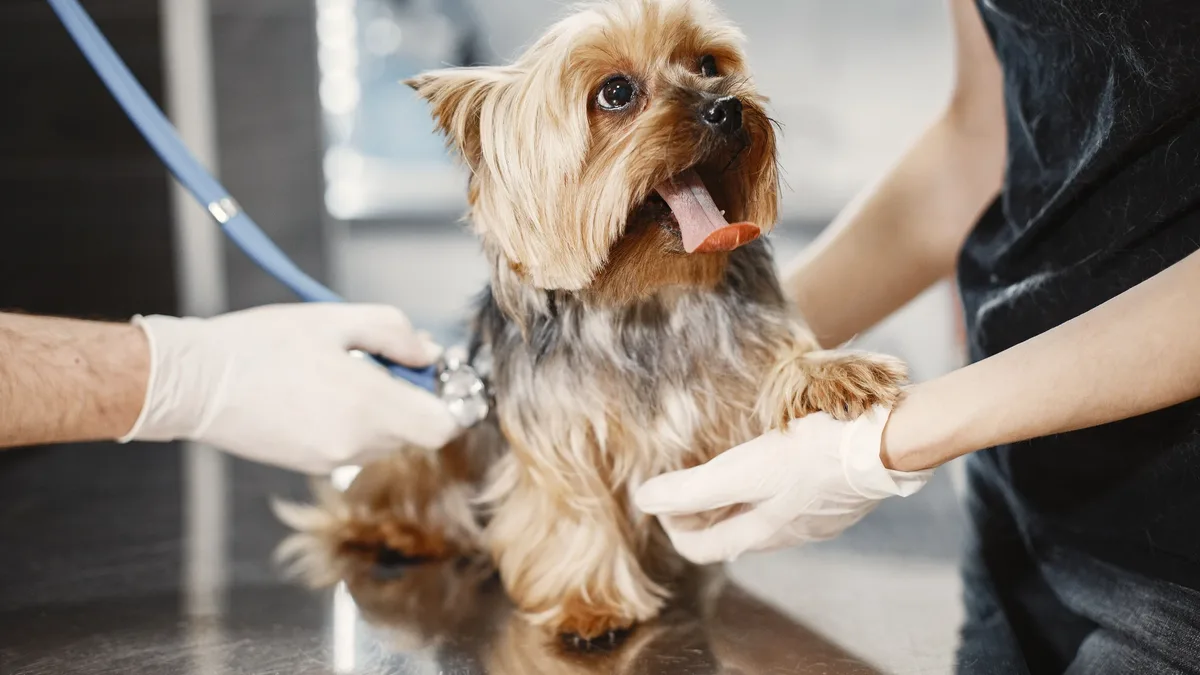
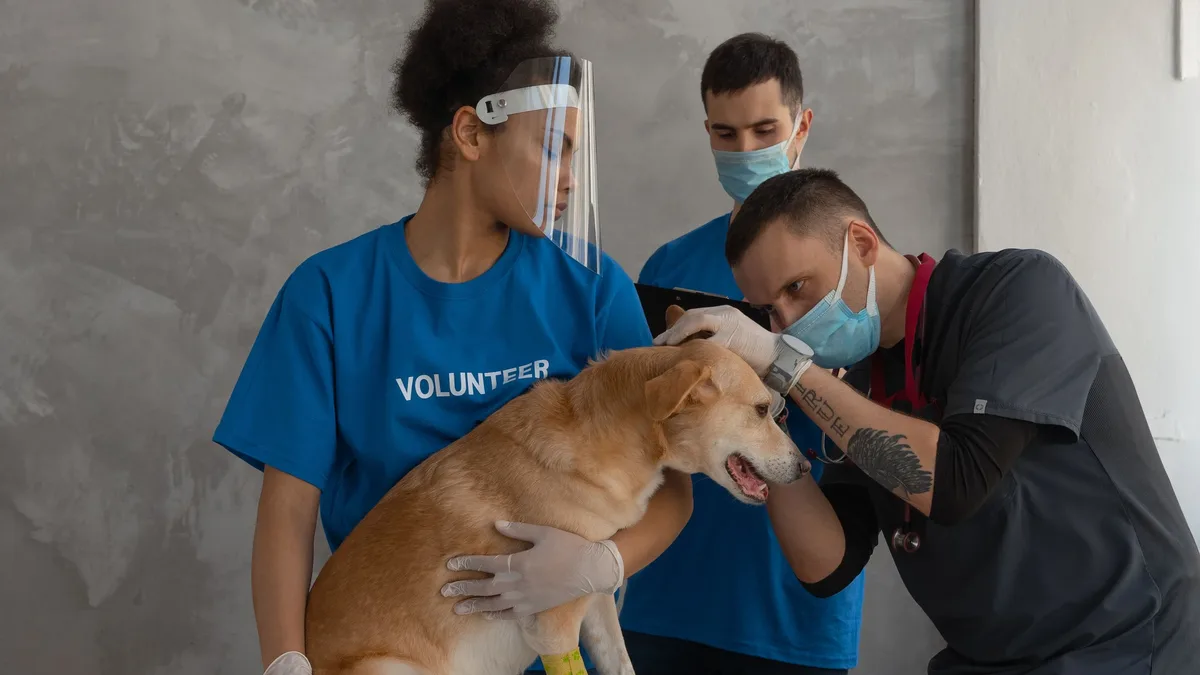
The strength of the human-animal bond has a measurable impact on veterinary care consistency. Owners who reported the strongest bonds with their pets were significantly more likely to seek routine medical attention for them. The data shows a clear divide in care behaviors between owners with strong bonds and others.
| Care Behavior | Owners with Strong Bonds | Other Owners |
|---|---|---|
| Have a veterinarian | 94% | 86% |
| Keep vaccinations current | 84% | 77% |
This trend extends to financial planning for pet health. Two-thirds of current pet owners, 67 percent, said knowledge of the research makes them more likely to buy pet health insurance. That figure is up from 58 percent in 2021. Also, 62 percent of pet owners said they would be more likely to visit a veterinarian or clinic that discussed the health benefits of the human-animal bond with them.
Mental Health Benefits Lead Awareness
When asked about specific benefits, mental and emotional supports topped the list. The overwhelming majority of respondents recognized key psychological advantages provided by companion animals.
| Recognized Benefit | Percentage of Americans Aware |
|---|---|
| Easing loneliness | 92% |
| Reducing depression | 89% |
| Reducing stress | 88% |
| Helping people cope with difficult situations | 87% |
The average American now recognizes 18 of the 24 health benefits tested, a notable increase from the average of 12 benefits recognized in HABRI's 2021 survey. This growing awareness fuels broader discussions, with 62 percent of Americans saying they have talked about the positive health impact of pets with someone else.
Housing Barriers Persist
Despite the recognized benefits, housing restrictions remain a formidable obstacle for both current and prospective pet owners. Eighty percent of Americans believe rental housing should have fewer restrictions on pets. Among current pet owners who rent, 31 percent reported housing-related challenges, and 14 percent have moved specifically to accommodate a pet.
The barrier is even more pronounced for those considering pet ownership. Twenty-nine percent of prospective owners worry about finding pet-friendly housing. Among prospective owners who rent, 27 percent cited housing restrictions as a primary reason they do not yet have a pet. Cost is another major concern, cited by 37 percent of prospective owners.
Future Intentions and Fostering
With 74 percent of Americans already owning at least one pet and another 15 percent intending to get one, interest in animal companionship remains high. Dogs are the most common choice for future owners at 79 percent, followed by cats at 38 percent. Half of all Americans expressed interest in fostering a pet, with 33 percent of future owners viewing fostering as a trial to see if a pet is a good fit.
The survey data shows a powerful cycle. Awareness of health benefits strengthens the human-animal bond. That stronger bond then drives more consistent veterinary care, higher vaccination rates, and greater interest in pet health insurance, closing the loop on proactive pet health management.