Cats
This page is reference information compiled from the cited sources. It is not medical advice. For any decision about health, diagnosis or care, consult a qualified professional.
What it is
The cat is a small domesticated carnivorous mammal also called the domestic cat and house cat. It is a member of the family Felidae, which is in the order Carnivora. The domestic cat is the only domesticated species of the family Felidae. It is commonly kept as a pet, working cat, and pedigreed cat shown at cat fancy events. It also ranges freely as a feral cat, avoiding human contact.
Key facts
The cat is an obligate carnivore requiring a predominantly meat-based diet and has retractable claws adapted to killing small prey like mice and rats. It has a strong, flexible body, quick reflexes, sharp teeth, well-developed night vision, and a well-developed sense of smell. Cat communication includes meowing, purring, hissing, body language, and scent marking, and it can hear sounds too faint or too high for human ears. Domestication started in the Near East around 7500 BCE, and today there are an estimated 600 million domestic cats worldwide, with 400 million in Asia. The domestic cat is a social species but a solitary hunter and a crepuscular predator, and its intelligence is evident in its ability to adapt, learn through observation, and solve problems.
When to seek professional help
The source text associates professional care with population control, which includes spaying and neutering. Pet abandonment contributes to the increasing global feral cat population, which has driven the decline of bird, mammal, and reptile species. Most cat breeds are founded on random-bred domestic cats, and the genetic diversity of these breeds varies between regions. Purebred populations show more than 20 deleterious genetic disorders. The cat genome sequence has been used for the study of cat migration patterns and disease.
Source: Cat (CC BY-SA 4.0 (Wikipedia)), retrieved 2026-10-05.
Latest reporting
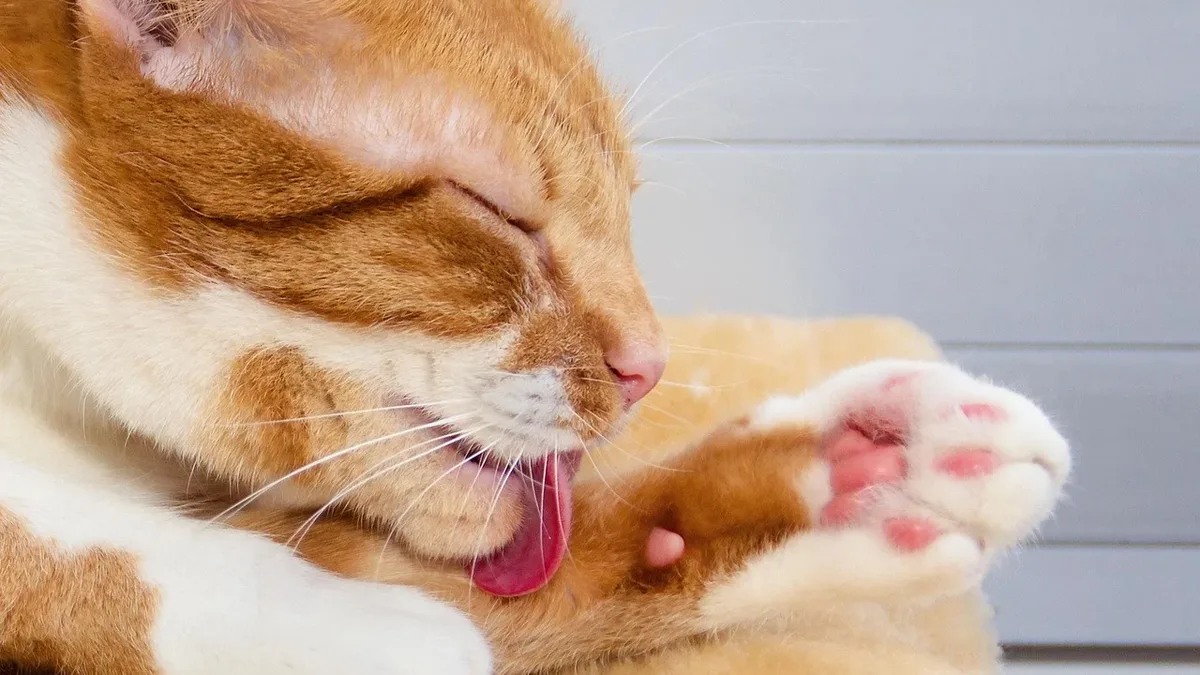
Understanding Cat Kneading and Clawing Behavior
Two separate pet health stories explore feline behavior and canine Lyme disease treatment. The first explains why cats dig their claws into owners...

Veterinarian Clarifies Real Toxoplasma Risk from Household Cats
A veterinarian explains the low probability of indoor cats transmitting Toxoplasma gondii to pregnant owners.

RECOVER Initiative Releases 2026 Pet First Aid Guidelines
The RECOVER Initiative has released the 2026 RECOVER First Aid Guidelines for dogs and cats. The evidence-based recommendations are designed to help...