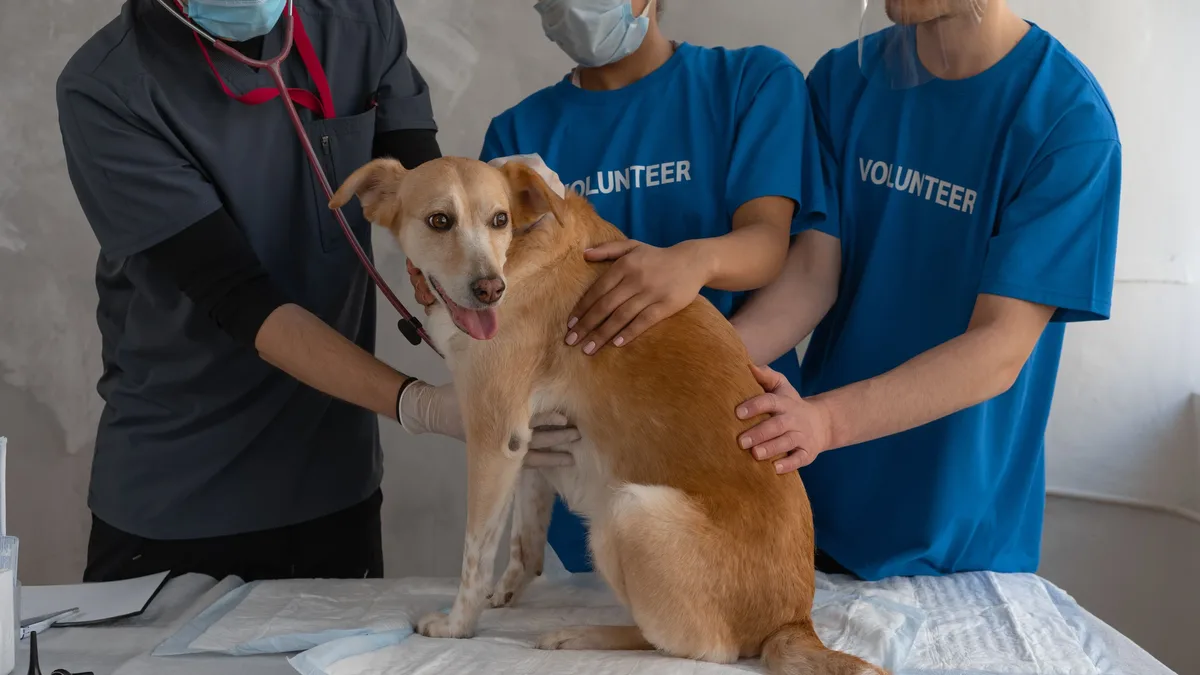
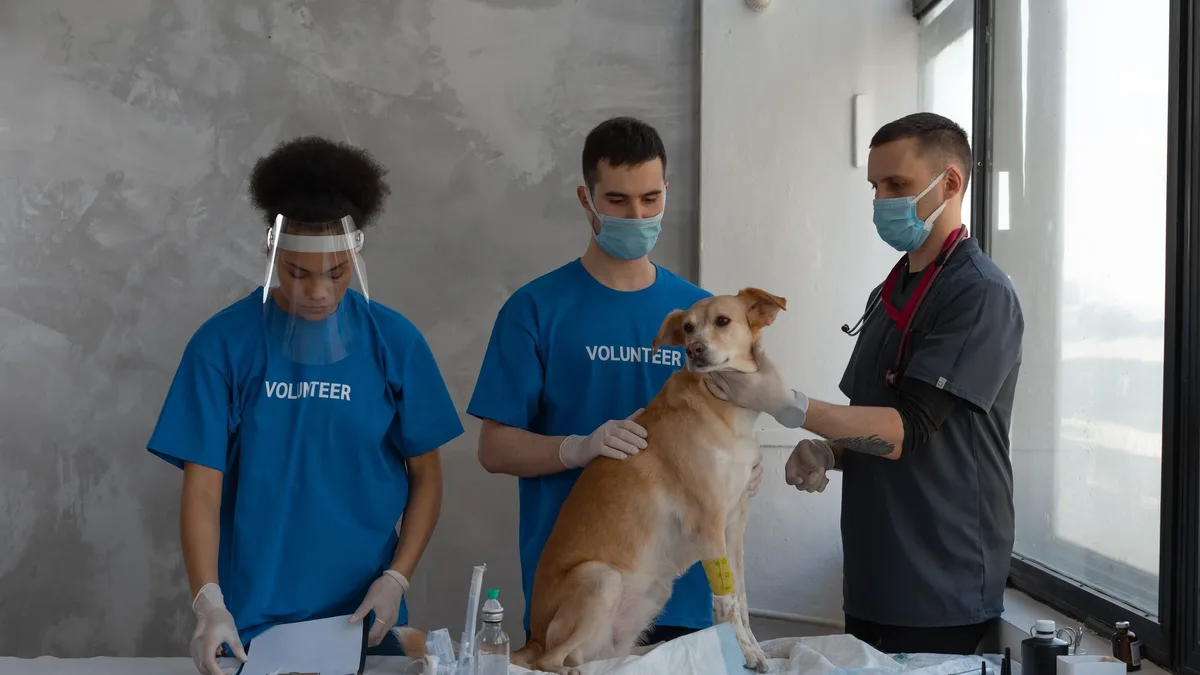
Veterinarians Urge Early Financial Talks for Pet Care
Veterinary professionals are advising pet owners to discuss financial planning for unexpected medical costs during routine wellness visits, not during
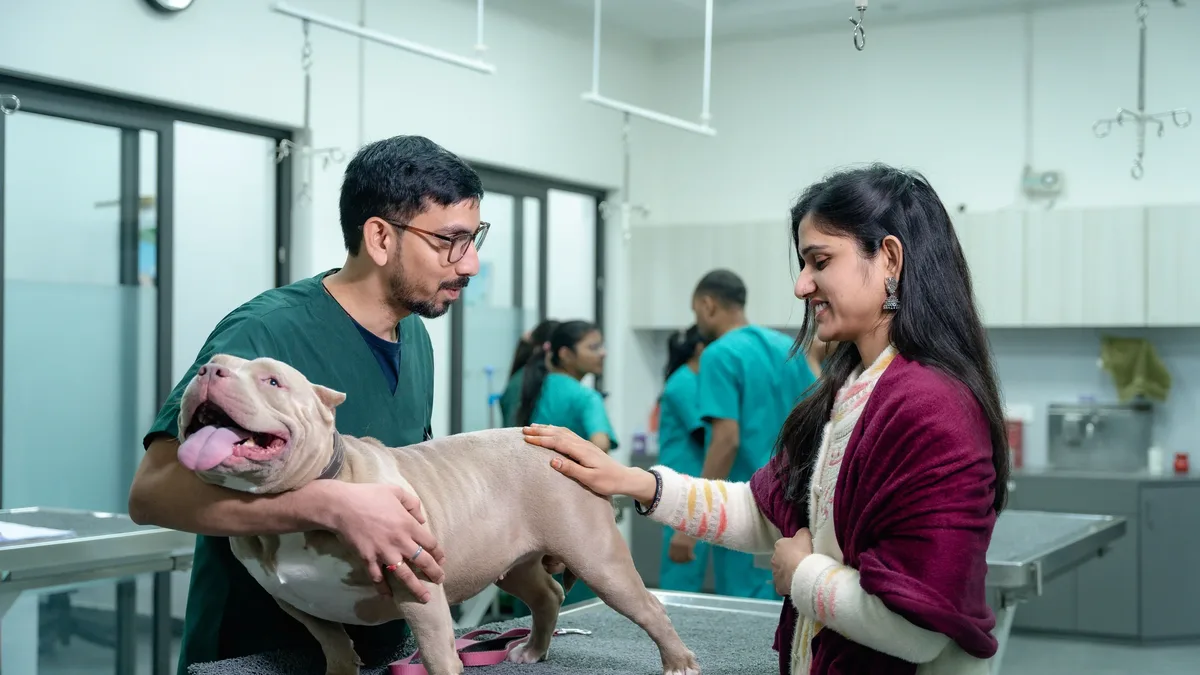
A healthy two-year-old Labrador retriever gets a clean bill of health at its annual check-up. Six months later, that same dog needs emergency surgery costing several thousand dollars after swallowing a sock. This scenario highlights why veterinary professionals say conversations about money must happen before a crisis.
According to the North American Pet Health Insurance Association (NAPHIA), more than seven million pets were insured across North America at the end of 2024. This reflects sustained double-digit market growth over the past decade. Even so, most companion animals remain uninsured, leaving families without a financial plan for unexpected veterinary expenses.
The Problem of Timing
Financial conversations are most effective when they occur before a crisis, not during one. Veterinarians often hesitate to discuss costs or pet insurance early, fearing clients will think they are motivated by profit. Many wait until presenting an estimate during an emergency to talk about finances. This is often the worst possible time. Clients are emotionally overwhelmed, trying to absorb complex medical information while making significant financial decisions.
Veterinary teams can experience moral distress when financial limitations prevent them from pursuing the best medical option. These situations are not only financial problems. They are communication challenges. Clients value clear communication, empathy, and transparency as much as clinical expertise. When financial talks are delayed until an estimate is presented, they feel transactional.
Reframing Insurance Conversations
Many veterinarians avoid discussing pet insurance, fearing it crosses into salesmanship. Caring Pathways veterinarian Dr. Mindy emphasizes that educating clients about insurance is no different than discussing parasite prevention or nutrition. The goal is not to persuade clients to spend more. It is to help them make informed decisions by understanding the medical recommendations and financial options.
Practices should remain neutral regarding specific companies. The conversation should focus on the role insurance can play in helping families prepare for unexpected expenses. A suggested approach is to tell clients, "One of the things we discuss with all new pet owners is how they plan for unexpected veterinary expenses."
This normalizes planning, avoids assumptions about a client's finances, and emphasizes preparation over fear. It reinforces that the discussion is standard practice for every client.
Insurance as an Access Tool
From a clinical perspective, pet insurance is best thought of as an access-to-care tool. One of veterinary medicine's greatest challenges is that treatment decisions are often influenced as much by financial constraints as medical considerations. Owners may decline advanced imaging due to cost, delay surgery, or elect euthanasia because recommended treatment is financially out of reach.
Pet insurance cannot eliminate every financial barrier. Most plans exclude pre-existing conditions, making early enrollment important. Policies differ substantially in their details.
The source shows the importance of clients comparing plans carefully. When insurance is in place before illness, it may allow decisions based more on medical appropriateness than immediate affordability. The conversation should be about reducing a barrier that prevents pets from receiving timely care.
Starting the Conversation Early
The best time to talk about financing is before it is needed. Routine wellness visits offer the ideal opportunity. Puppy and kitten appointments naturally lend themselves to conversations about long-term healthcare planning. Annual exams provide a chance to revisit plans as pets age. New-client appointments can include a brief discussion on the practice's approach to financial transparency.
These conversations need not be lengthy. A single-minute elevator pitch or an easy-to-understand handout during a wellness visit may prevent a much more difficult conversation years later.
Options Beyond Insurance
Pet insurance is an important tool, but it is not the only one. Insured clients remain responsible for deductibles, co-pays, and non-covered services. Many pet owners choose not to purchase insurance or may not be eligible due to their pet's age or pre-existing conditions.