Understanding Cat Kneading and Clawing Behavior
Two separate pet health stories explore feline behavior and canine Lyme disease treatment. The first explains why cats dig their claws into owners, while the second questions the standard 28-day antibiotic course for dogs with Lyme disease.
Today's coverage examines two distinct areas of pet health: understanding a common feline behavior and scrutinizing treatment protocols for a canine bacterial infection. The first story looks at why cats dig their claws into their owners, while the second highlights a call for research into shorter antibiotic courses for dogs with Lyme disease.
Cat Kneading and Clawing
Cats often dig their claws into their owners during a behavior known as kneading, which is typically a natural and harmless display. This rhythmic paw pressing, reminiscent of kneading dough, originates from kittenhood when nursing to stimulate milk flow and can persist into adulthood as a sign of contentment.
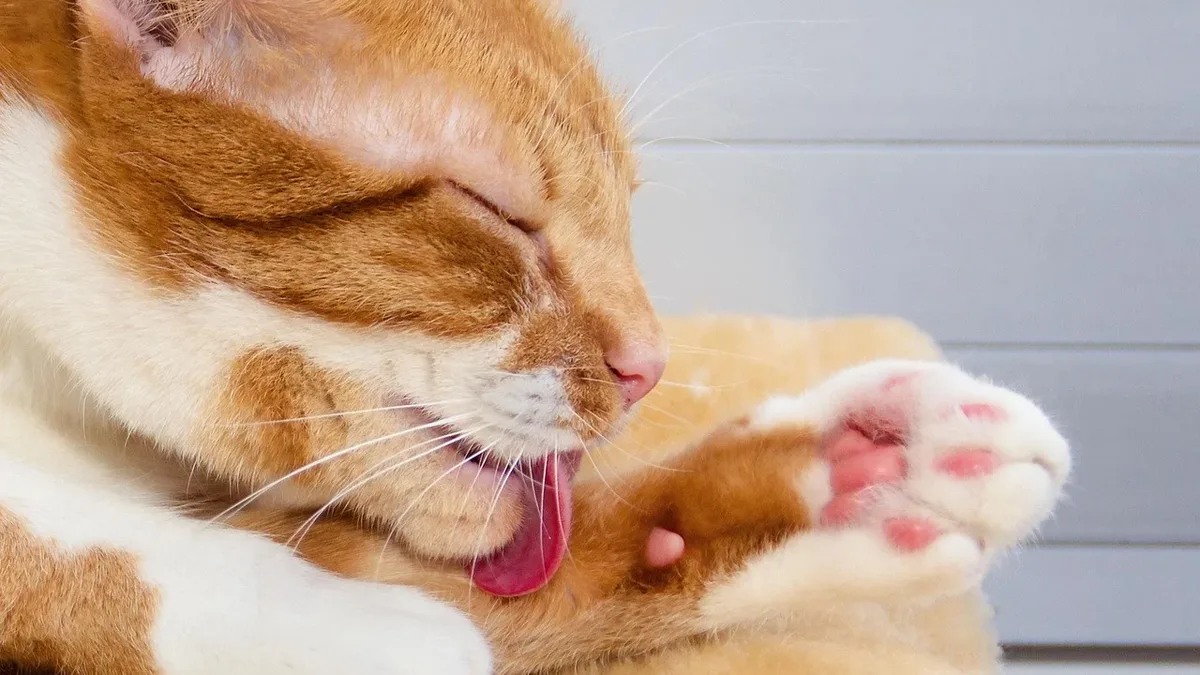
Kneading is frequently associated with relaxation and security. A cat that purrs and kneads on an owner's lap is likely expressing comfort and a strong bond. Observing overall body language is key; closed eyes, a relaxed posture, and settling to sleep all confirm a contented state. Beyond comfort, the behavior may stem from an ancestral instinct to flatten grass for a resting spot or serve as a method of scent marking from glands in the paws. It can also be a simple request for attention or a way for the cat to stretch its muscles after waking.
However, not all claw digging is benign. Owners should be alert if the action is aggressive or coincides with signs of overstimulation during petting, such as tail twitching, flattened ears, hissing, or attempts to move away. In these cases, giving the cat space is advised. A frightened cat may also dig in to steady itself. For harmless but painful kneading, the solution is not to stop the behavior but to manage it. Regular claw trimming, as advised by a veterinary practice, can reduce discomfort. Placing a thick blanket or towel on your lap provides a simple and effective barrier between you and your cat's claws.
Lyme Disease Treatment in Dogs
A new veterinary commentary challenges the standard 28-day doxycycline treatment for canine Lyme disease, arguing it is based on habit rather than evidence. Led by Dr. Fiona Emdin and published in the Journal of the American Veterinary Medical Association, the viewpoint calls for a clinical trial to test a shorter 10-day course for uncomplicated cases.
The authors note that most dogs exposed to the Lyme bacteria, Borrelia burgdorferi, never show symptoms. For the minority that develop clinical illness, the most common form is Lyme arthropathy, which involves shifting-leg lameness. They argue there is clinical equipoise-genuine uncertainty-justifying a study to compare the traditional four-week regimen against a shorter one. This push for evidence-based guidelines is part of a broader, slow-moving effort in veterinary medicine to align treatment durations with actual data, overcoming ingrained practices and reluctance to change.
Determining an effective shorter treatment course has significant implications for antimicrobial stewardship. Reducing unnecessary antibiotic exposure minimizes side effects for the dog and helps combat the broader issue of antimicrobial resistance. The commentary specifically outlines a proposal for a prospective parallel-group randomized controlled trial to generate the necessary evidence, leaving the more complex issue of Lyme nephritis diagnosis and treatment for another discussion.