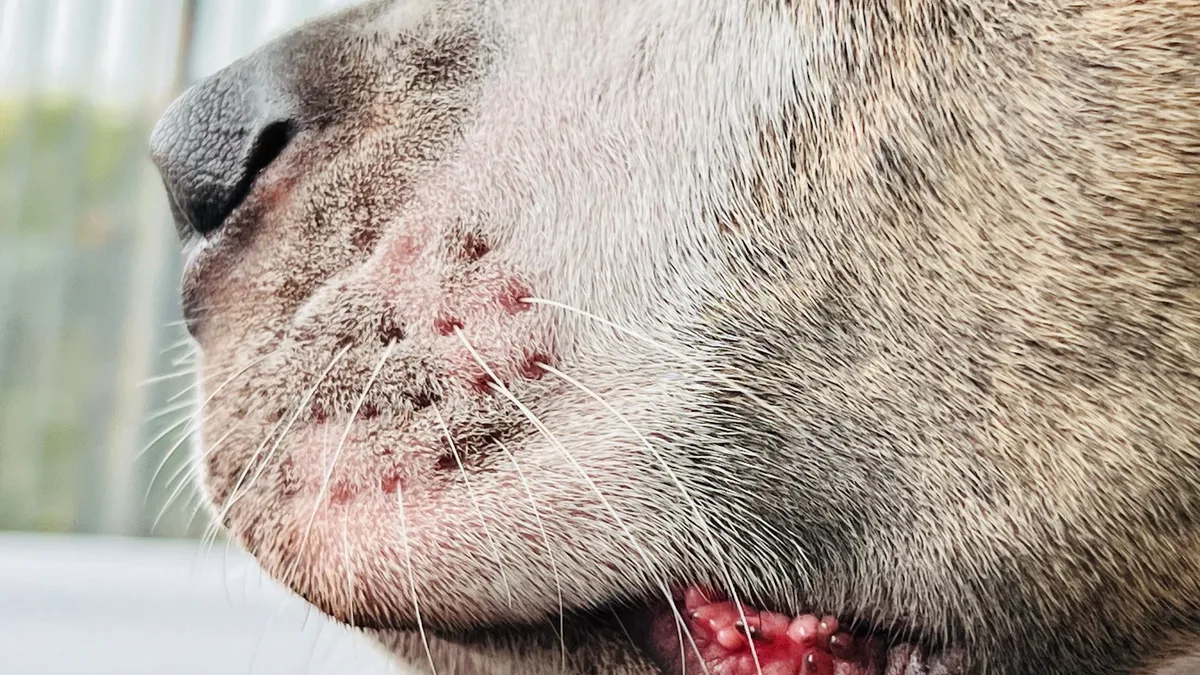
Itching and skin problems
This page is reference information compiled from the cited sources. It is not medical advice. For any decision about health, diagnosis or care, consult a qualified professional.
What it is
Skin disorders are among the most common health problems in dogs, and they have many causes. The condition of a dog's skin and coat is an important indicator of general health. These disorders vary from acute, self-limiting problems to chronic or long-lasting problems requiring life-time treatment. Skin disorders may be primary or secondary due to scratching and itch, and this can make diagnosis complicated. Dogs with atopic dermatitis are itchy, especially around the eyes, muzzle, ears and feet. Ringworm symptoms can include itchiness, although itchiness may or may not occur.
Key facts
Skin disease may result from deficiency or overactivity of immune responses. In cases of insufficient immune responses, the disease is usually described by the secondary disease that results. Examples include increased susceptibility to demodectic mange and recurrent skin infections, such as Malassezia infection or bacterial infections. Increased but harmful immune responses can include hypersensitivity disorders such as atopic dermatitis and autoimmune disorders such as pemphigus and discoid lupus erythematosus. Atopy is a hereditary and chronic allergic skin disease, with signs usually beginning between 6 months and 3 years of age. Dogs with atopic dermatitis are itchy, especially around the eyes, muzzle, ears and feet, and severe cases can have generalised irritation. Common allergens include pollens of trees, grasses and weeds, molds and house dust mites. Ear and skin infections by Staphylococcus pseudintermedius and Malassezia pachydermatis are commonly secondary to atopic dermatitis. Hot spots are acutely inflamed and infected areas of skin irritation created and made worse by licking and biting. They can manifest and spread rapidly in hours, with secondary Staphylococcus infection causing skin breakdown and trapped pus. Lick granulomas are raised, usually ulcerated areas on a dog's extremity caused by incessant, compulsive licking. Infectious skin diseases include contagious parasitic, bacterial, fungal and viral conditions, while flea and tick infestations are acquired from an environment where other infested hosts established the parasite life cycle. Ringworm is a fungal infection that can be contagious to other dogs and humans, and symptoms can include hair loss and itchiness that may or may not occur. Non-contagious skin infections can result when normal bacterial or fungal skin flora proliferates and causes disease. Some systemic diseases can become symptomatic as a skin disorder, including endocrine abnormalities such as hypothyroidism and Cushing's syndrome. Many canine skin disorders can have a basis in poor nutrition.
When to seek professional help
A veterinarian visit is usually needed to confirm the diagnosis of ringworm. A veterinarian visit is needed so a topical or oral medication can be prescribed for ringworm. Some skin disorders are chronic or long-lasting and require life-time treatment. Skin disorders may be primary or secondary, making diagnosis complicated. Diagnosis of atopic dermatitis is by elimination of other causes of irritation, including fleas, mites and other parasites.
Source: Dog skin disorders (CC BY-SA 4.0 (Wikipedia)), retrieved 2026-11-10.