New Veterinarians Need Peer Connection, Not only Clinical
A veterinary mentor argues that structured clinical mentorship alone fails new graduates, whose deeper struggle is professional isolation.
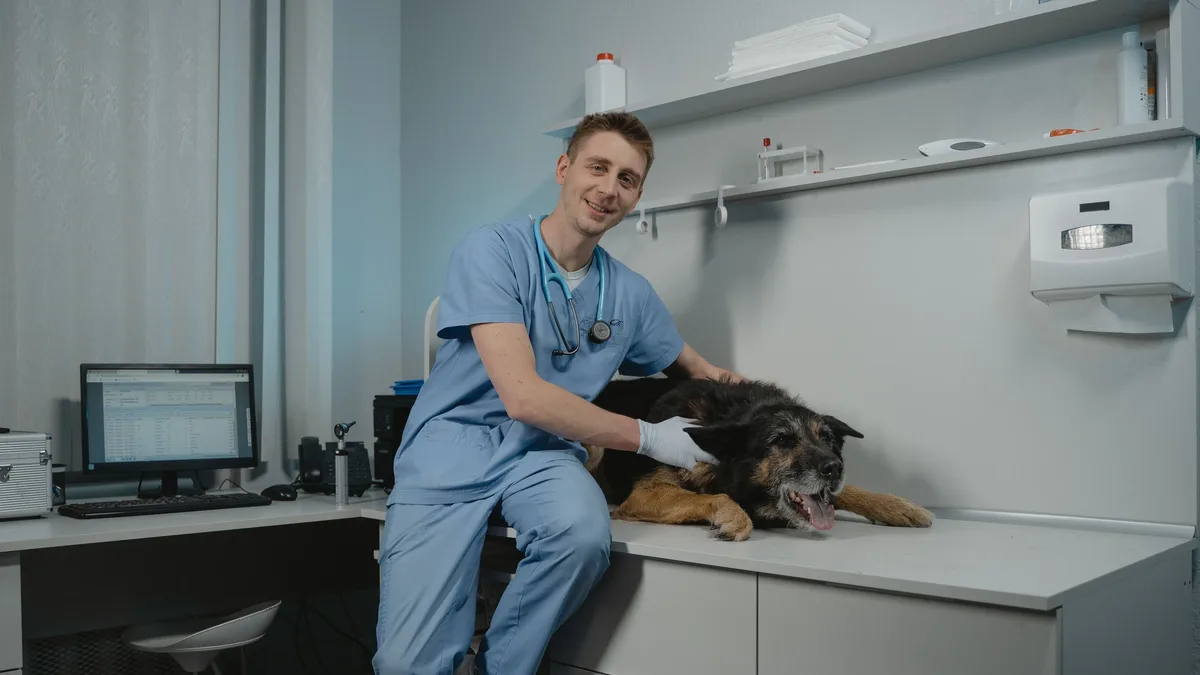
Early-career veterinarians often leave clinical practice not due to a lack of clinical skills, but because they feel profoundly alone. Dr. Dani Rabwin, founder of the remote mentorship program Ready, Vet, Go, states that the profession's focus on fixing clinical problems misses the core issue of isolation.
New graduates frequently internalize their struggles, believing they are uniquely failing. This erodes confidence, slows professional progression, and leads to burnout. Some depart their clinic, some leave clinical practice for industry roles, and some exit the profession entirely. Rabwin, who works with hundreds of new veterinarians, observes this firsthand.
The Limits of Clinical Mentorship
The veterinary profession typically treats new-graduate turnover as a clinical training deficit. Practices promote mentorship programs featuring case rounds and clinical skills benchmarks. Rabwin calls this a widespread assumption. In her cohort-based program, a clinical case rounds breakout room is popular initially but becomes the least attended session within months. When early-career doctors gather, discussions about universal struggles quickly overshadow clinical questions.
Data Reveals an Unmet Need
A survey of 44 early-career veterinarians in a structured mentorship program measured rising confidence in several key areas. The most impactful result, however, was not related to clinical skills.
Despite these gains, the standout finding came from an open-ended question. Nearly half the participants, unprompted, said the most impactful aspect was realizing they were not alone. Notably, no one listed seeking connection or community in their pre-program goals. They did not recognize isolation as their core problem until it was alleviated.
The Power of Peer Cohorts
Practice leaders often fear that exposing their new graduates to veterinarians from other clinics will lead them to seek greener pastures. Rabwin reports the opposite effect. When new graduates hear peers from different practices describe identical challenges, they understand their struggles are universal, not unique to their workplace. One participant told Rabwin the cohort "has given me the confidence to advocate for myself with leadership to get the support I need." That veterinarian stated she would have otherwise left her practice.
Recommendations for Change
Rabwin offers four recommendations derived from four years of work with new veterinarians. First, veterinary schools must prepare students for the isolating transition to practice, setting the expectation that peer support is essential. Schools should explain that the workplace rewards collaboration and vulnerability, not only the competition rewarded in academia.
Second, clinics and corporations must address isolation directly. While structured mentorship and clinical education are valuable, they are insufficient. New graduates need safe spaces for vulnerability with peers, often best facilitated by someone other than their direct supervisor or employer. External cohort-based programs, offered on an opt-in basis, can fill this gap.
Third, practice leaders should stop over-protecting their clinic culture. If struggling doctors never interact with peers elsewhere, they may blame their clinic and leave. Encouraging connection with veterinarians from other groups normalizes common challenges.
Finally, the profession should systematically measure early-career satisfaction at six months and then annually. Tracking whether these doctors remain in clinical roles, and analyzing trends linked to their veterinary schools, will reveal which institutions better prepare graduates for practice realities. The core goal, as named by the new graduates themselves, is replacing isolation with the realization that they are not alone.