Probiotics Aid Pets on Antibiotics
Veterinary Practice News explains how probiotics can help pets maintain gut health while on antibiotics, detailing the risks of dysbiosis, probiotic benefits, and best-practice guidelines for timing, selection and storage.
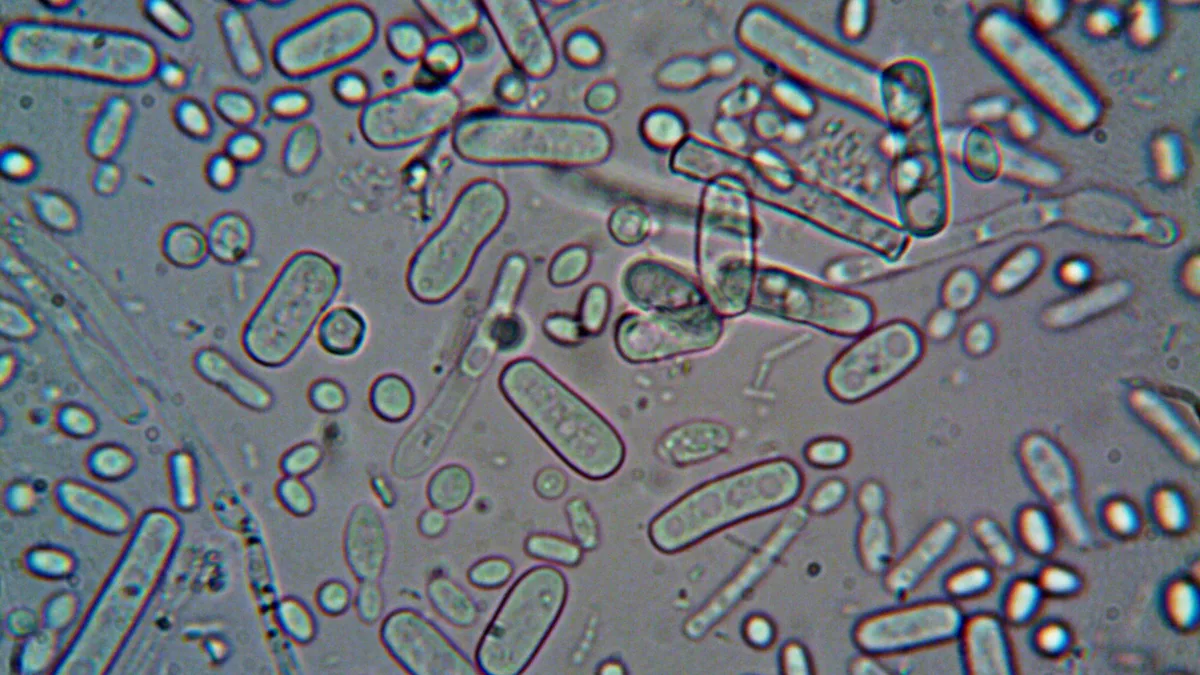
Antibiotics are among the most commonly prescribed medications in veterinary practice. The article notes that broad-spectrum antibiotics such as metronidazole, clindamycin, amoxicillin-clavulanate, cephalosporins and fluoroquinolones can disturb the gastrointestinal microbiome.
Gut Microbiome Basics
The gut microbiome is a complex community of bacteria, fungi and other microorganisms that live in a pet’s digestive tract. In healthy animals, these microbes help digest food, produce vitamins, regulate the immune system and protect against harmful bacteria. They also keep the intestinal lining intact. A balanced microbiome is essential for normal gastrointestinal function.
Antibiotic-Associated Dysbiosis
Antibiotics target pathogenic bacteria, but they often kill beneficial bacteria as well. Broad-spectrum drugs are especially likely to change microbial diversity. Dysbiosis can develop during or after antibiotic use and may range from mild to severe. Common clinical signs include diarrhea, soft stool, flatulence, vomiting, decreased appetite and abdominal discomfort. The loss of beneficial bacteria allows opportunistic organisms to grow, and the intestinal barrier can be compromised. Some studies suggest that the microbiome may take weeks or months to recover, and changes can persist long-term.
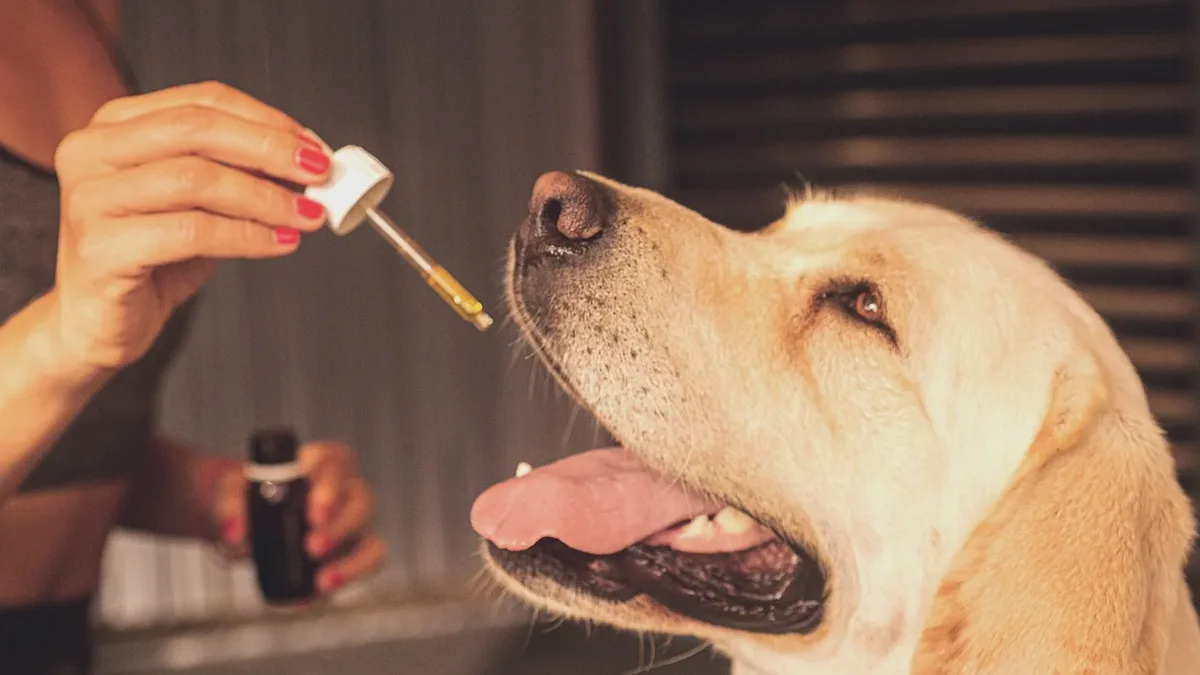
Probiotics are live microorganisms that, when given correctly, can help maintain or restore microbial balance. Benefits include competing with pathogens, supporting the intestinal barrier, producing beneficial metabolites, enhancing immune function and reducing inflammation. Common probiotic species are Enterococcus, Saccharomyces, Lactobacillus and Bifidobacterium.
Probiotics During Antibiotic Therapy
The evidence suggests that probiotics can lessen gastrointestinal upset in dogs and cats, but results vary with strain, dosage, duration, antibiotic type and individual patient factors. Probiotics are not a cure-all; they are supportive therapy to minimize gut disturbances.
Timing is critical. Because antibiotics may kill susceptible probiotic organisms, it is best to space the doses. General guidelines recommend giving probiotics at least two hours before or after antibiotics, continuing throughout the antibiotic course, and extending supplementation for one to two weeks after completion. Storage matters too; some probiotics need refrigeration, others are room-temperature stable. Educating clients on proper handling ensures product effectiveness.
Veterinary professionals should consult the latest stats on probiotic efficacy and review the squad of strains when selecting a product. Product quality is paramount, as dietary supplements are not regulated as strictly as drugs. Studies have shown that some products may not contain the labeled strain or organism counts. When choosing a probiotic, consider published research, strain identification, stability testing, manufacturer quality control and veterinary-specific formulations. Peer-reviewed studies are preferred over generic supplements.
Choosing and Using Probiotic Products
In addition to probiotics, a multifaceted approach supports gut health. Feeding a highly digestible diet, avoiding sudden changes, maintaining hydration, and minimizing unnecessary antibiotic use are all important. Using culture and sensitivity testing to guide antibiotic choice helps reduce resistance and microbiome disruption. Veterinary professionals can use evidence-based products and educate clients on proper storage to protect gut health during antibiotic therapy.