Pet Owners Delay Vet Visits as Costs Rise
Veterinary clinic visits have fallen for four consecutive years, with a 3.1% drop in 2025, as economic pressures lead pet owners to postpone care.
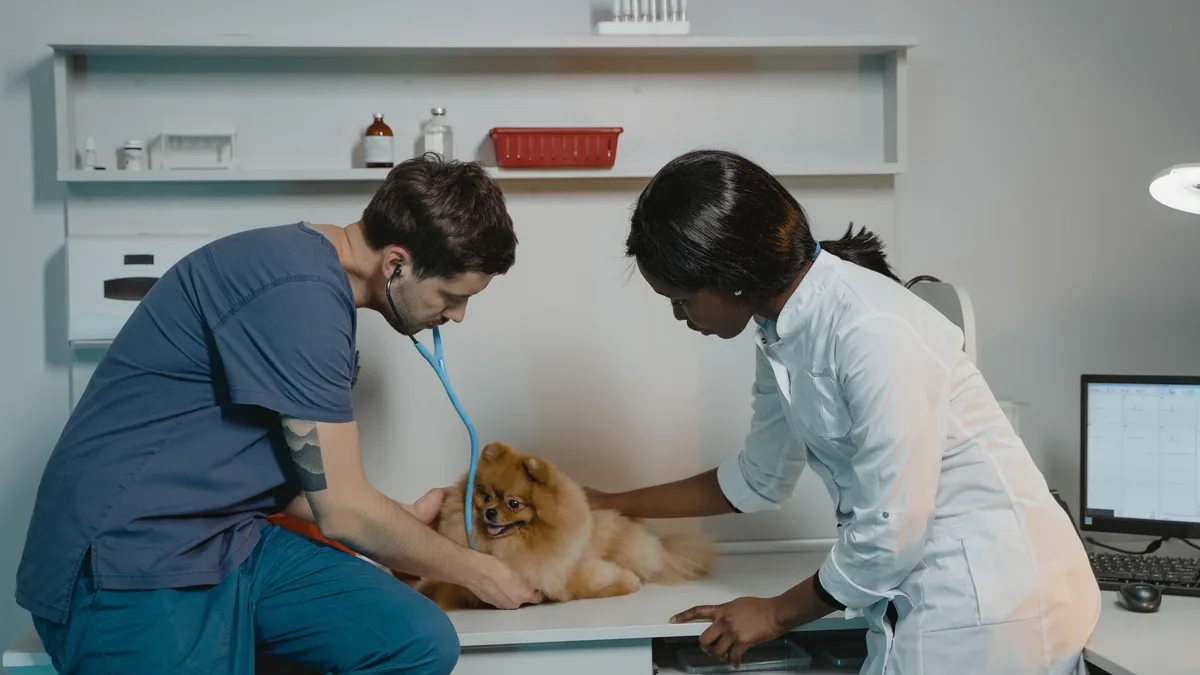
Veterinary clinic visits in the United States have declined for four consecutive years, dropping 3.1% in 2025, according to data cited in a May 2026 Bank of America Institute report. Economist Taylor Bowley states that higher prices are deterring visits despite pet owners' commitment, with spending per visit rising even as overall visit volume falls.
Economic Pressures on Pet Care
A Gallup poll from May 2026 found a majority of Americans rate the economy as poor or only fair, with inflation at 4.2% over the past year. This pessimism is affecting pet care. The share of households with a pet has declined for two consecutive years, with the sharpest drop among lower-income households, Bowley notes. Other signs include a slowdown in pet adoptions and reduced spending at pet supply stores among younger, lower-income owners.
Bowley explains the core tension: consumers are spending more per visit but visiting less often. She identifies preventive and non-essential care as the most frequently deferred, including wellness visits, preventative dentistry, and elective diagnostics.
Veterinarians Confirm the Trend
Veterinarians report seeing this shift firsthand. Dr. Bryan T. Clarke of All Creatures Animal Hospital in Lutz, Florida, has observed a decline in the average number of services per invoice. Clients are declining some services and maybe not following through on everything that was recommended, he says.
Dr. Pancho Hubert of Tejas Veterinary Clinic in Corpus Christi, Texas, notes a heightened cost-consciousness among clients. This year, clients may not be able to afford the highest level of veterinary care, he states. Hubert emphasizes that clear communication about treatment options and the value of preventive care has become increasingly important.
Strategies for Clinics
Facing these pressures, veterinary practices are focusing on client retention and communication. They aim to address cost concerns and discourage owners from postponing necessary care.
Streamlining the Client Experience
Clinics are working to make visits as seamless as possible to prevent postponement. Dr. Clarke's practice, All Creatures, renewed its focus on customer service. The clinic now offers weekend and evening hours and morning drop-offs to accommodate work schedules. It also strives to minimize wait times, follows up after appointments, and monitors online reviews. We renewed our focus to make sure we had all our ducks in a row, Clarke says.
Controlling Practice Costs
Veterinarians themselves face inflationary pressures on supplies, utilities, and wages. The Bank of America Institute report notes prices for veterinary services rose 5.5% over the past year. Dr. Hubert stresses the importance of controlling practice costs during economic stress. His clinic employs strategies like buying supplies in bulk, purchasing generic medications, and retaining staff to reduce hiring costs. Trying to keep down prices and trying to run a business that is efficient and still operates at a high level is something that most veterinary clinics struggle with, he admits.
Enhancing Client Communication
Clear communication about costs, payment options, and treatment benefits is a critical strategy. All Creatures engages clients in conversations about preventive care and discusses payment options like pet insurance, care credit cards, and installment plans. It works a lot better if the client is part of the decision-making process, says Clarke. He advocates for a team-based approach rather than simply presenting a bill.
Dr. Hubert says he tries to meet clients where they are, discussing a range of treatment options that consider financial circumstances. For a client who cannot afford an immediate dental cleaning, he might discuss managing pain and infection medically until the procedure can be done. He focuses on managing expectations and ensuring clients understand the risks of foregoing recommended treatments. I have found that to be the most important thing, Hubert concludes, referring to the client relationship built on communication.