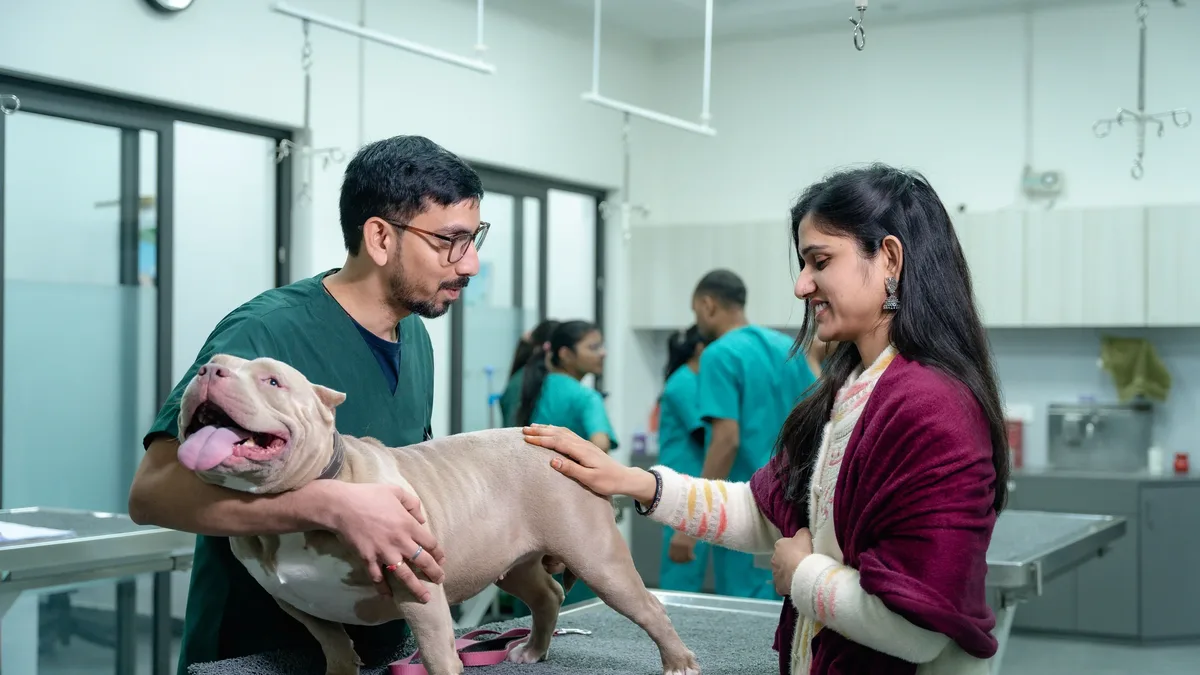
Veterinary Business Expert Outlines Staffing System
Dr. Peter Weinstein details a three-phase system for veterinary hospitals to build and retain a strong team, covering pre-hire planning, a multi-stage

A veterinary hospital is only as good as its team, according to business columnist Dr. Peter Weinstein. In a competitive labor market, he argues that a deliberate, repeatable staffing system is essential to avoid burnout and high turnover.
Weinstein, who writes for Today's Veterinary Business, states the process must begin long before the first job interview. He outlines a comprehensive three-phase approach covering preparation, selection, and integration.
The Pre-Hire Phase
Weinstein warns against hiring for immediate relief instead of long-term cultural fit. He advises practice owners to start by defining actionable core values that dictate daily behavior, not generic ideals. These values should then serve as a filter during hiring.
Job descriptions should sell the practice's vision and mission, not only list chores. A strong digital footprint is also key, with a careers page highlighting mission, work-life balance policies, and benefits.
The Selection Phase
The columnist recommends a four-step interview process to avoid impulsive hires. It begins with a resume screen for consistency and red flags.
A preliminary video call helps gauge personality. The core of the process is an in-person behavioral interview designed to assess emotional intelligence through real-world examples, not hypotheticals. "Hire for emotional intelligence and personality," Weinstein advises. "Train the needed technical skills."
The final step is a paid working interview. This allows the team to assess cultural fit by observing the candidate's initiative and interaction with support staff. Weinstein emphasizes trusting the existing team's instincts if they flag a cultural mismatch.
The Onboarding and Retention Phase
Onboarding is a structured process that can last up to a year, distinct from a short orientation. Weinstein criticizes the common practice of putting a new hire directly on the floor due to short-staffing, calling it a source of anxiety and early attrition.
He proposes a detailed initial schedule. The first day should involve no clinical duties, focusing instead on administrative tasks, tours, and a welcome lunch. Days two and three introduce systems and philosophy through shadowing. Basic tasks under supervision begin on days four and five.
A formal 30-60-90-day roadmap should outline explicit milestones for every role.
| Phase | Primary Focus |
|---|---|
| First 30 days | Culture, safety, basic software navigation |
| 60-day mark | Efficiency, accuracy, working without constant supervision |
| 90-day mark | Advanced skills, cross-training, contributing to team harmony |
Regular check-ins are vital. Weinstein suggests weekly casual conversations for the first month, followed by formal 30-minute reviews at days 30 and 60. The day-90 review marks the transition from probationary hire to autonomous team member.
To protect the investment in hiring and training, Weinstein outlines key retention strategies. These include fostering psychological safety so mistakes are reported without fear, and designing clear career pathways with tiered roles and automatic pay increases tied to skill acquisition.
He states that while competitive pay is a baseline, long-term retention is driven by tailored benefits addressing the profession's unique stressors. These should include robust mental health support and annual stipends for continuing education.