Chile Validated as First South American Country to Eliminate
The World Health Organization has validated Chile for eliminating dog-transmitted rabies as a public health problem.

Chile has become the first South American country validated by the World Health Organization for eliminating dog-transmitted rabies. The WHO announced the milestone on September 14, 2026, crediting more than five decades without a human case of the disease.
The country's last human rabies case occurred in 1972. WHO Director-General Tedros Adhanom Ghebreyesus said the validation reflects decades of commitment to protecting communities. He credited sustained investment in public health.
A Varied Strategy
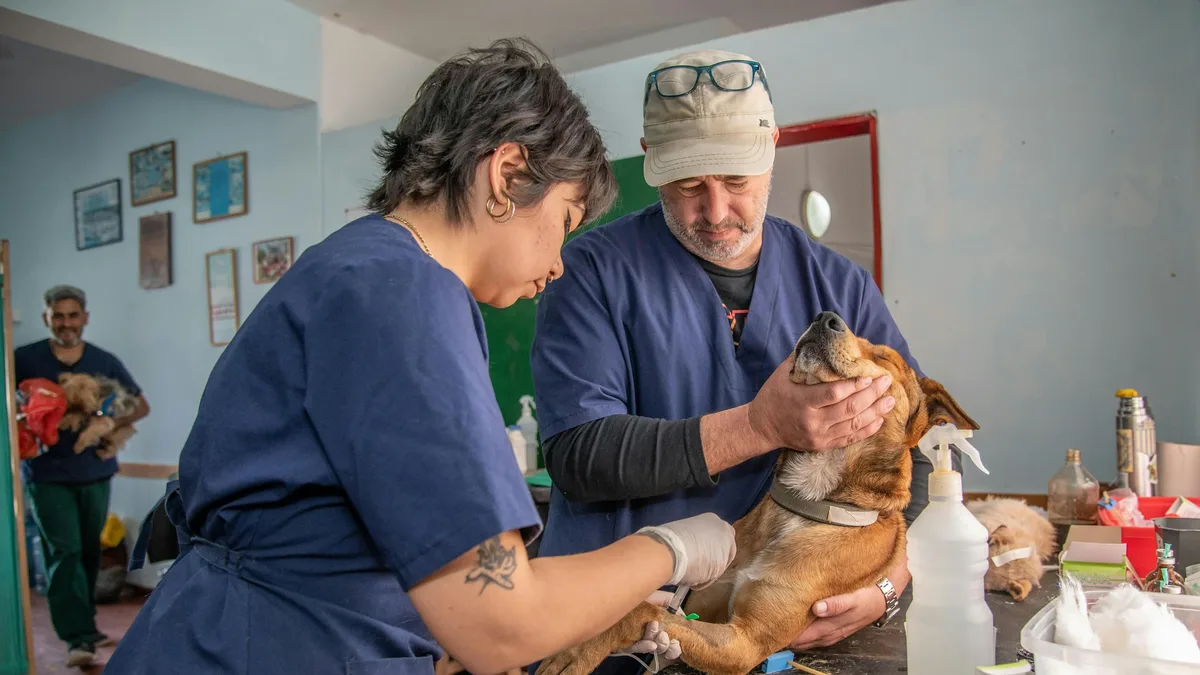
According to the WHO, Chile's success resulted from sustained, multipronged efforts. These included door-to-door dog vaccination campaigns and targeted dog population management. Community education and timely access to post-exposure prophylaxis for people were also critical.
Jarbas Barbosa, WHO regional director for the Americas, said the achievement shows eliminating dog-transmitted rabies is possible and sustainable when countries work across sectors. Chile's Minister of Health, May Chomalí, credited local partners. She said the achievement would not have been possible without the joint efforts of municipalities, their zoonosis teams, and communities.
The Requirements for Validation
Validation is the WHO's formal acknowledgment that a country has brought a disease below the threshold of a public health problem. To earn it, a country must demonstrate sustained interruption of dog-mediated rabies transmission. It must also show no human deaths from the disease for at least two years.
Robust systems for surveillance, laboratory diagnosis, dog vaccination, and access to post-exposure prophylaxis are required. An independent expert group reviewed Chile's technical dossier against internationally established requirements before the WHO granted validation.
This marks Chile's second neglected tropical disease elimination milestone in 2026. Earlier this year, the country became the first in the Americas to be verified by the WHO for eliminating leprosy.
Global Rabies Context
Chile's achievement builds on broader gains across the Americas. The region has reduced dog-mediated rabies cases by more than 98% since 1983, according to the WHO.
Elsewhere, the disease remains a serious threat. Dog-transmitted rabies still causes tens of thousands of human deaths each year, predominantly in Asia and Africa. The WHO states that dog bites and scratches cause 99% of human rabies cases. Mass dog vaccination is described as the most cost-effective strategy for prevention.
The WHO, the Food and Agriculture Organization, and the World Organisation for Animal Health have a global strategic plan called Zero by 30. It aims to end human deaths from dog-mediated rabies by 2030. The plan calls for vaccinating dogs to prevent the disease at its source and providing lifesaving treatment to people after bites.
Rabies is fatal in 100% of cases once the virus infects the central nervous system and clinical symptoms appear. Prevention at the animal source is therefore essential. Chile's validation highlights the central role of veterinary professionals in protecting public health. Routine canine rabies vaccination, dog population management, and client education on bite prevention are core components of the strategy.
The country's experience shows these gains depend on long-term investment and coordination among municipal zoonosis teams, health ministries, and the communities they serve.