Limping and pain
This page is reference information compiled from the cited sources. It is not medical advice. For any decision about health, diagnosis or care, consult a qualified professional.
What it is
A luxating patella, sometimes called a trick knee, is a condition in which the patella, or kneecap, dislocates or moves out of its normal location. It can be associated with damage to the anterior cruciate ligament. Patellar luxation is a common condition in dogs, particularly small and miniature breeds. The condition usually becomes evident between the ages of 4 and 6 months. It can occur in cats as well, especially domestic short-haired cats. There have been several reports of patellar luxation in other species such as miniature pigs, alpacas, llamas, cattle, and goats.
Key facts
Patellar luxation is frequently a congenital, developmental defect and can also be inherited through genetics. It is frequently bilateral in congenital cases. Obesity can also be a cause, and rarely, it can be caused by some form of blunt trauma. Diagnosis is made through palpation of the knee and physical examination with manual manipulation. Symptoms such as intermittent limping in the rear leg might be mild or absent, but more extreme cases can result in severe lameness. Osteoarthritis typically develops secondarily to the condition. The condition is graded in severity from Grade I, where the patella can be manually luxated but returns to normal, to Grade IV, where it is permanently luxated.
When to seek professional help
The source indicates professional help is associated with situations where the animal has difficulty walking. For Grades II, III, and IV of the condition, surgery is required if the animal has difficulty walking. Professional diagnosis through palpation and physical examination is the preferred method for identifying the condition. Additional help from professionals can involve recommendations for pet ramps, stairs, or steps to help the animal travel without adding pain or damage.
Source: Luxating patella (CC BY-SA 4.0 (Wikipedia)), retrieved 2026-09-21.
Latest reporting
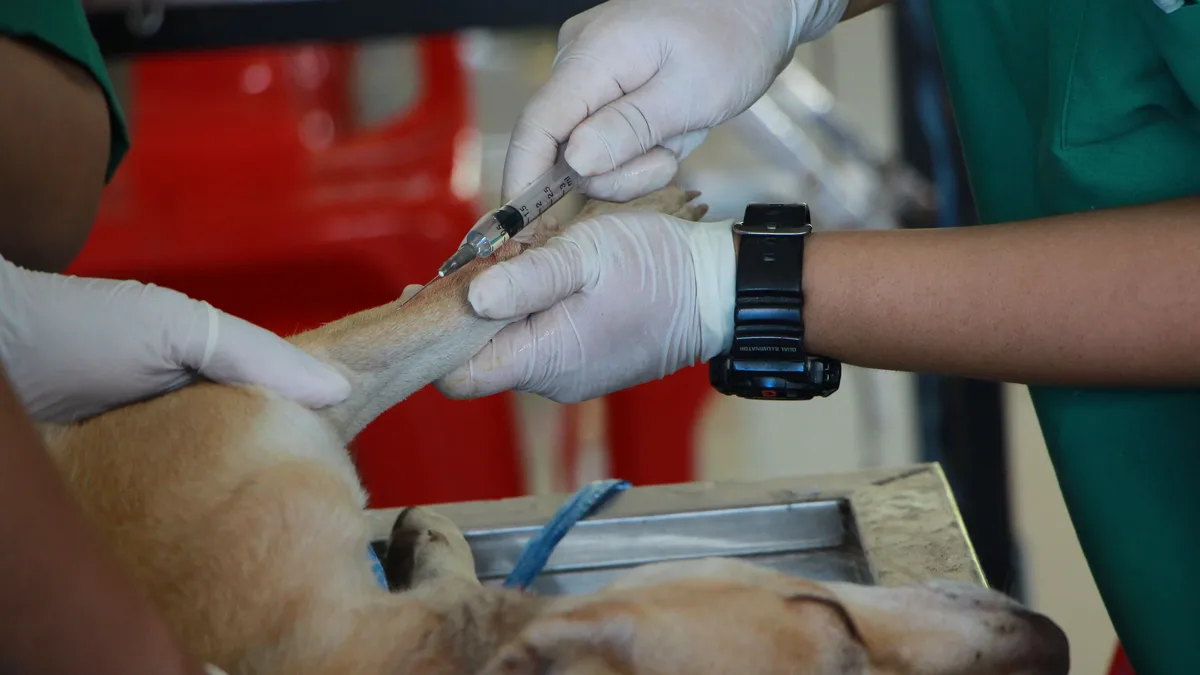
Canine Osteoarthritis: Managing Inflammation
Veterinary experts explain that inflammation is a key driver of pain in canine osteoarthritis, requiring targeted management beyond pain relief alone.
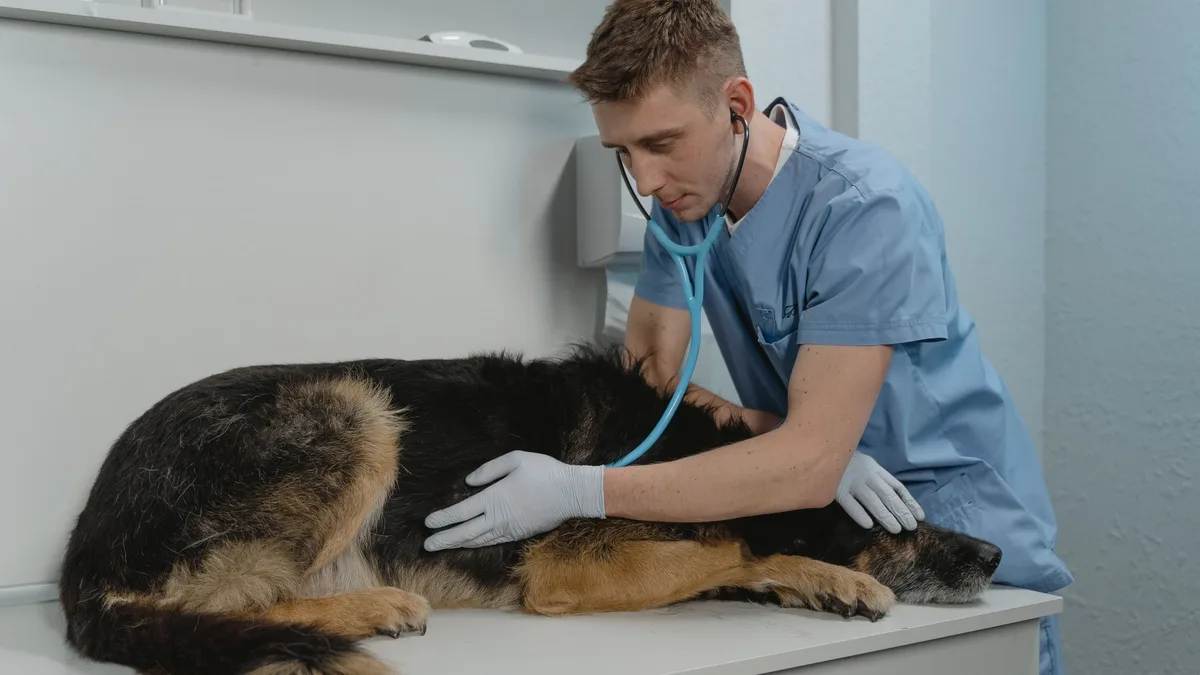
Vets Detail Dog Arthritis Treatment
A veterinary report outlines a multi-modal treatment for canine osteoarthritis, focusing on weight management, pain control, and physical therapy.
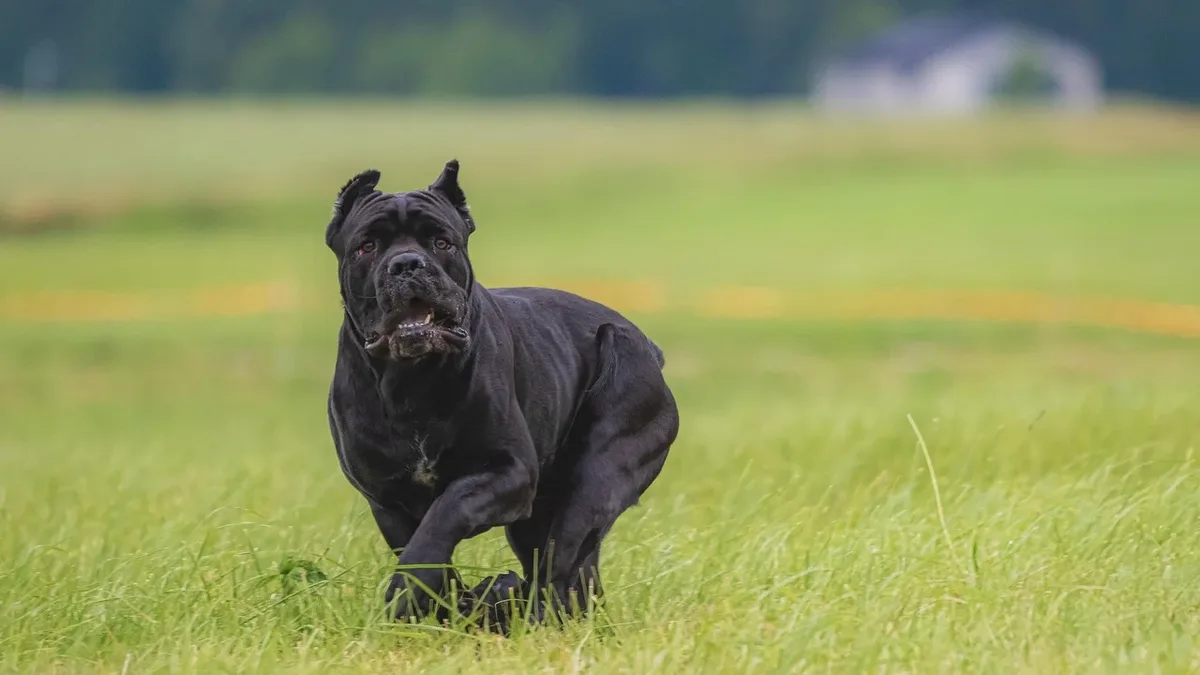
DMOADs: Canine Arthritis Drugs Explained
A vet explains how Disease-Modifying Osteoarthritis Drugs (DMOADs) protect joint cartilage, unlike common pain relievers.
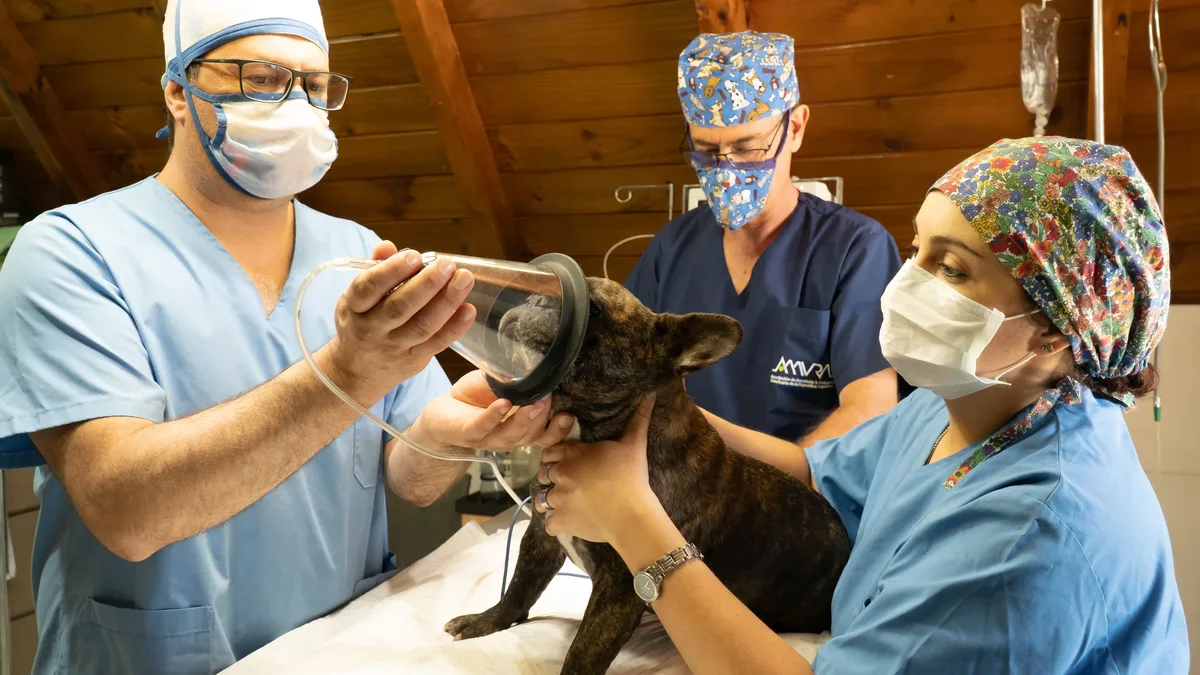
New Veterinary Anesthesia Products and
A veterinary publication has highlighted several new and emerging products and methods for anesthesia and pain management in pets, including a novel...