New Veterinary Anesthesia Products and Methods
A veterinary publication has highlighted several new and emerging products and methods for anesthesia and pain management in pets.
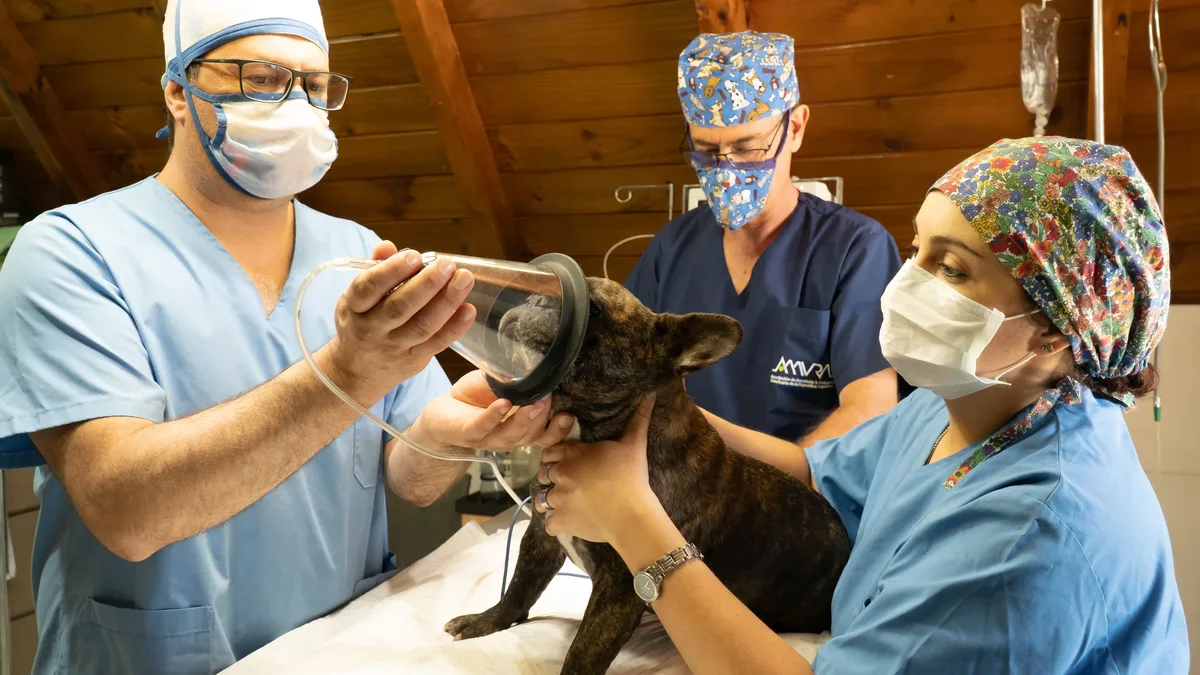
Veterinary Practice News has published a roundup of recent developments in veterinary anesthesia and analgesia. The report covers new pharmaceuticals, equipment, and procedural recommendations for managing pain and sedation in pets.
Novel Opioid Alternative
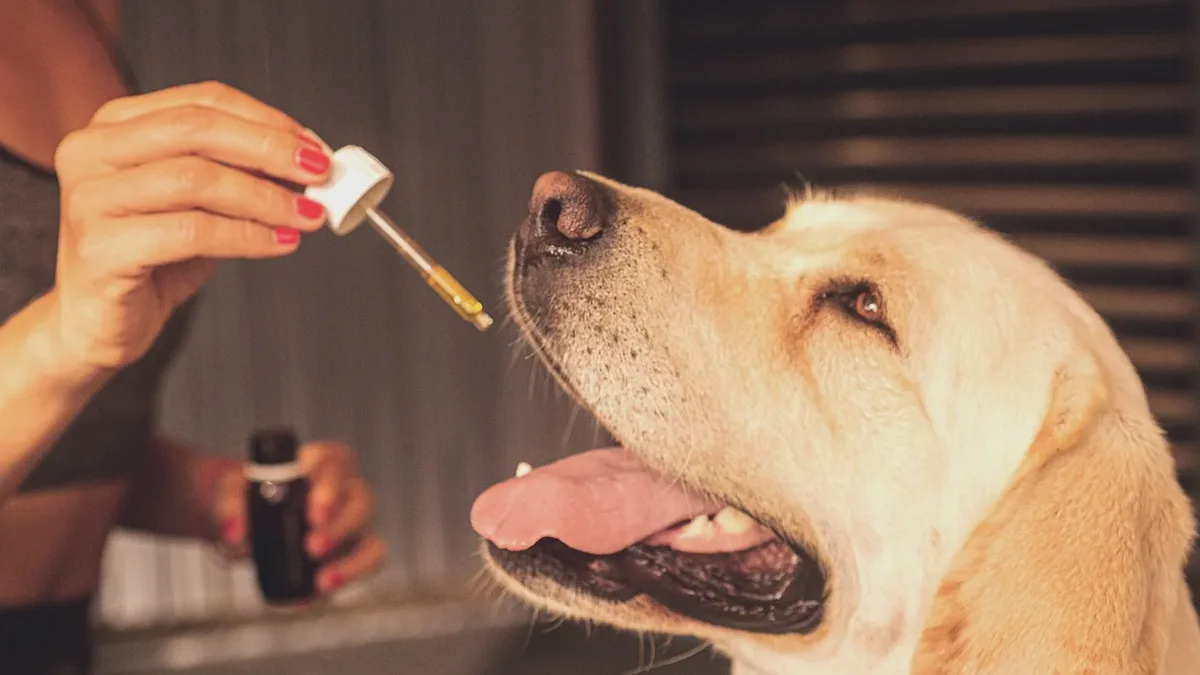
A new drug called cimicoxib is highlighted as a potential alternative to opioids for perioperative pain. According to the source, this medication is a coxib-class NSAID. It is reportedly administered as a single subcutaneous injection. The injection can be given before surgery. Its effects are said to last for 24 hours. The source notes this could simplify pain management protocols. It may also reduce reliance on controlled opioid substances.
Updated Monitoring Equipment and Advice
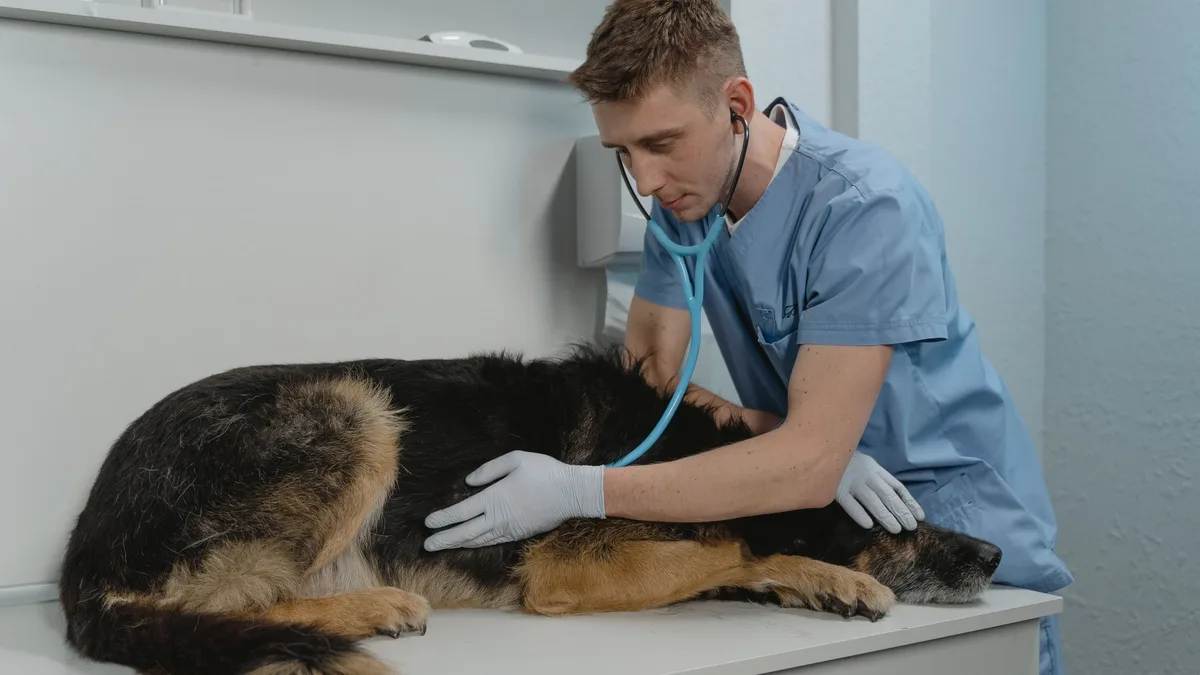
The report discusses advancements in patient monitoring. It mentions the use of advanced pulse oximeters and capnographs. These devices provide more detailed data on a pet's oxygenation and ventilation during anesthesia. The source emphasizes that proper monitoring is critical for safety. It can help veterinarians detect problems early.
New guidelines for anesthetic protocols in senior pets are also covered. The source states that older animals often have reduced organ function. This requires adjusted drug doses and closer observation. The report advises tailoring anesthesia to each individual patient's health status.
New and Updated Pharmaceutical Options
Several specific medications are mentioned in the review. The source provides a comparison of their key features.
| Drug Name | Class | Key Feature / Use |
|---|---|---|
| Cimicoxib | NSAID (coxib) | Single 24-hour subcutaneous injection for perioperative pain |
| Maropitant | Neurokinin-1 (NK-1) receptor antagonist | Used for preventing nausea and vomiting, especially from opioids |
| Dexmedetomidine | Alpha-2 adrenergic agonist | Provides sedation and analgesia; can be reversed with atipamezole |
| Robenacoxib | NSAID (coxib) | Selective for dogs and cats; used for postoperative pain and inflammation |
The table is based on information presented in the source article. Maropitant is noted for its antiemetic properties, which are particularly useful when opioids are part of the pain management plan. Dexmedetomidine is described as a sedative and analgesic that offers the advantage of a specific reversal agent. Robenacoxib is presented as another coxib-class NSAID option designed for veterinary use.
Local and Regional Anesthesia Techniques
The article underscores a growing trend toward multimodal analgesia. This approach combines different types of pain relief. The goal is to improve comfort while minimizing side effects. Local and regional nerve blocks are a key part of this strategy.
These techniques involve injecting anesthetic near specific nerves. They can numb a surgical site. The source explains that using these blocks can reduce the amount of general anesthetic needed. It may also lead to a smoother and less painful recovery for the pet. The report encourages veterinarians to receive training in these methods. Proper technique is essential for effectiveness and safety.
The full review is available from Veterinary Practice News.