Vets Detail Dog Arthritis Treatment
A veterinary report outlines a multi-modal treatment for canine osteoarthritis, focusing on weight management, pain control, and physical therapy.
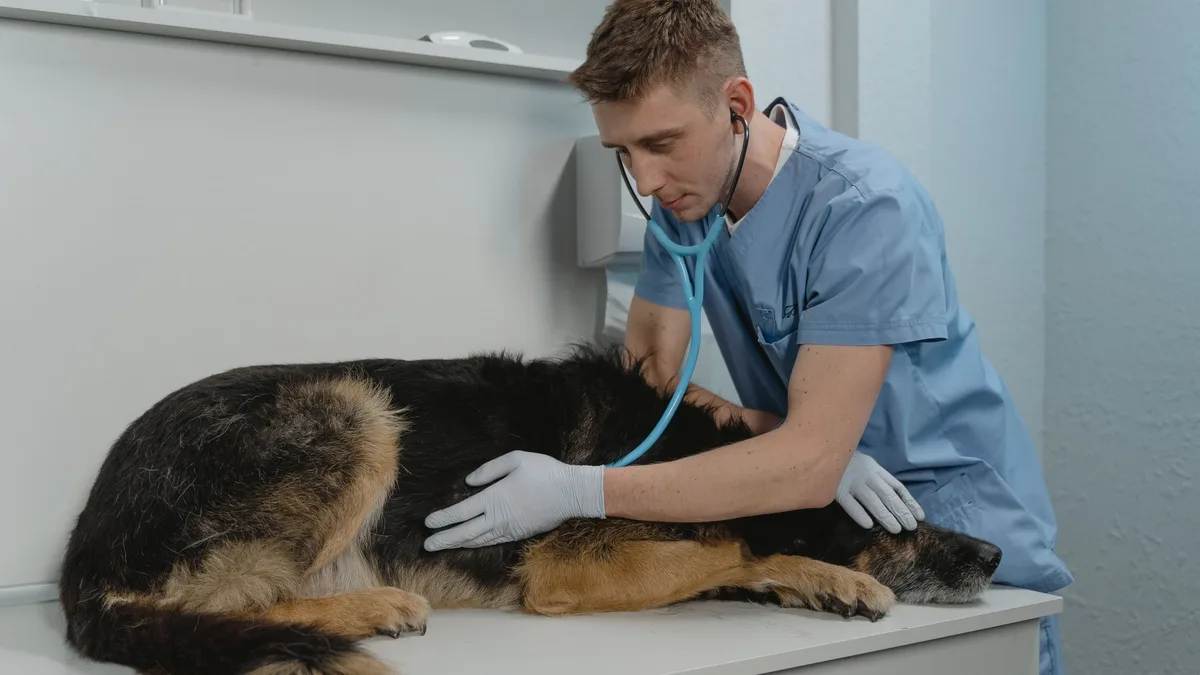
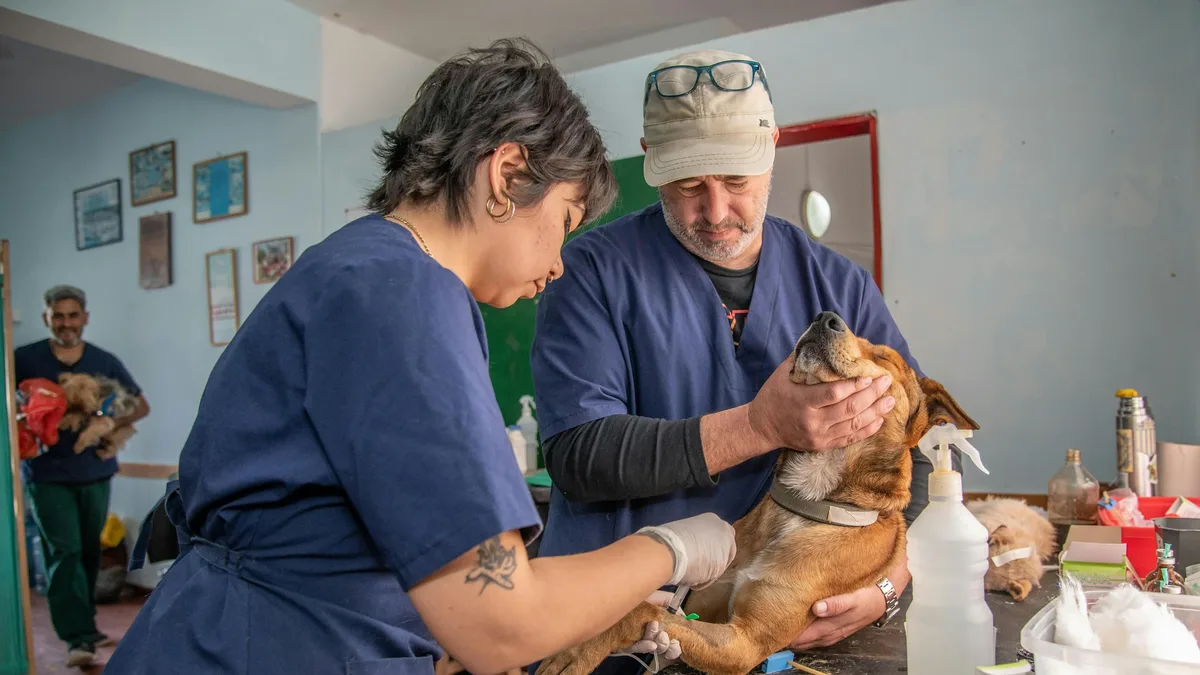
A new report from Veterinary Practice News lays out a recommended approach for managing canine osteoarthritis (OA). The strategy is multi-modal, combining weight management, pharmaceutical pain relief, and physical rehabilitation.
Veterinarians stress that osteoarthritis is a chronic, progressive disease requiring lifelong management. The primary goal is to improve the dog's comfort and mobility. There is no cure, but the condition can be effectively controlled.
Core Treatment Pillars
Weight management is described as the single most important intervention for overweight dogs with OA. Excess body weight places significant stress on painful joints. Even a modest reduction can lead to dramatic improvements in comfort and activity levels.
Pharmacologic pain management is another cornerstone. Non-steroidal anti-inflammatory drugs (NSAIDs) are typically the first line of defense for controlling inflammation and pain. Veterinarians must conduct baseline bloodwork before starting NSAIDs and monitor patients regularly. Other medications, like gabapentin for neuropathic pain or amantadine, may be added for a multi-drug approach.
Adjunctive and Surgical Options
Beyond medication, several adjunctive therapies play a key role. Nutritional supplements, such as omega-3 fatty acids, glucosamine, and chondroitin sulfate, are widely used. The report notes that while evidence for some supplements is mixed, omega-3s have strong support for reducing inflammation.
Physical rehabilitation is highly recommended. Techniques include therapeutic exercises, underwater treadmill work, and laser therapy. These modalities help maintain muscle mass, improve range of motion, and reduce pain without relying solely on drugs.
For severe cases, surgical options exist. Procedures like total hip replacement or tibial plateau leveling osteotomy (TPLO) can be considered when medical management is no longer sufficient. Surgery aims to correct underlying anatomical issues contributing to the arthritis.
A Structured Management Plan
The report advocates for a structured, step-by-step plan tailored to each patient. It suggests starting with a definitive diagnosis and client education. From there, a combination of core and adjunctive therapies is implemented, with regular reassessment to adjust the plan.
Regular follow-up appointments are essential to monitor the dog's response to treatment and make necessary adjustments. Owners should be educated on recognizing signs of pain, such as reluctance to exercise, stiffness, or changes in behavior.
Effective management of canine osteoarthritis demands a long-term commitment from both the veterinary team and the pet owner. The multi-modal approach detailed in the report offers a comprehensive framework for maintaining a good quality of life for affected dogs. The final step in the recommended protocol is ongoing monitoring and plan adjustment based on the dog's clinical signs.