BVA Opens Nominations for Annual Veterinary Awards
The British Veterinary Association is seeking nominees for its annual awards recognizing excellence in veterinary practice, leadership, and science.
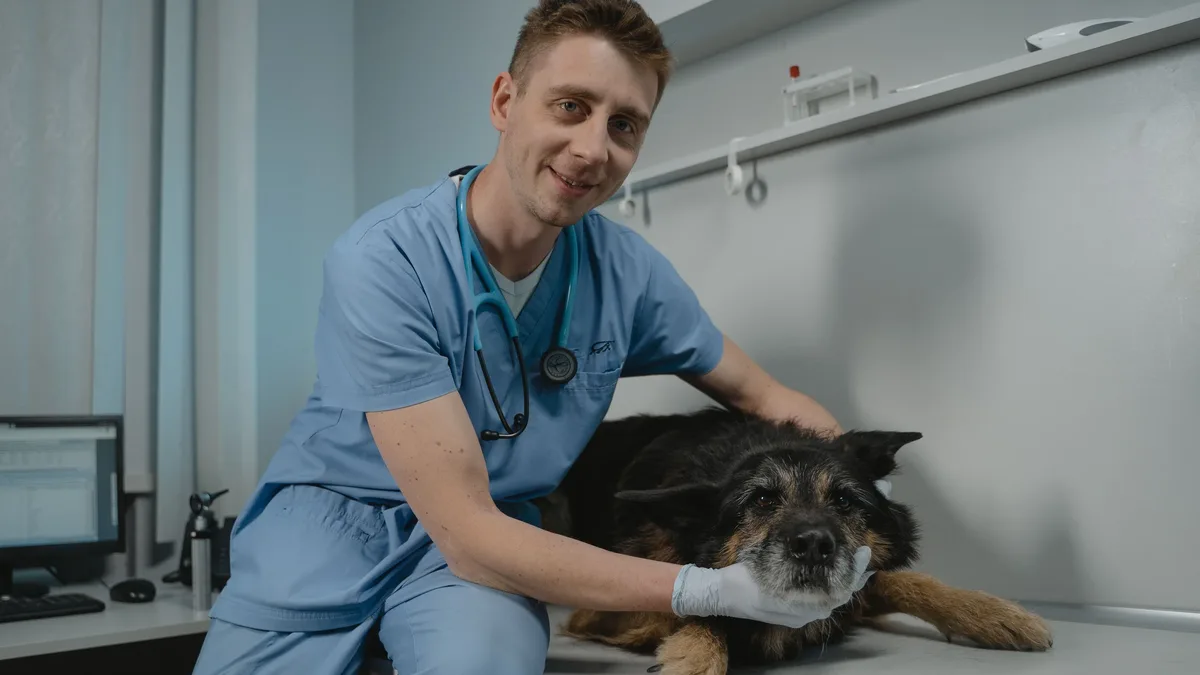
The British Veterinary Association has opened nominations for its annual awards program, aiming to honor professionals across several categories of veterinary excellence. In a separate matter, a guide for dog owners decodes the potentially confusing signal of a dog growling during belly rubs, outlining when it signifies pleasure and when it may indicate a serious health problem.
Annual Veterinary Awards
Nominations are open until November 23rd for the British Veterinary Association awards, which seek to show colleagues who go above and beyond for patients, push scientific boundaries, support workplace wellbeing, or drive sustainability. Winners will be announced at an awards dinner at the Hilton Birmingham Metropole on Thursday, March 11th, as part of the BVA Live event. The program includes multiple categories, each with specific criteria and prizes.
The BVA Young Vet of the Year award, supported by Zoetis, highlights the outstanding work of early-career veterinarians. Its winner receives £1,000, a year of BVA membership, and additional benefits. Other awards include the Veterinary Mentor Award, supported by Hill’s Pet Nutrition, which also carries a £1,000 prize. The Wellbeing Awards recognize workplaces that enhance team wellbeing, with winners receiving 30 days of enhanced online recruitment listings. Further categories honor contributions to One Health and sustainability, inspirational leadership, outstanding service to the profession, the advancement of veterinary science, and work improving animal health overseas. The Vet Record Impact Award for the most impactful research paper will also be presented at the same ceremony.
Canine Belly Rub Growls
A dog's growl during a belly rub can signal anything from deep contentment to serious pain, making context and body language key for interpretation. A soft, contented grumble paired with relaxed muscles, a wagging tail, and a floppy face typically indicates the dog is comfortable and enjoying the affection, potentially strengthening the human-animal bond. Some dogs may use a playful growl to turn the interaction into an invitation for play, though owners should monitor to prevent overexcitement from escalating into rough behavior.
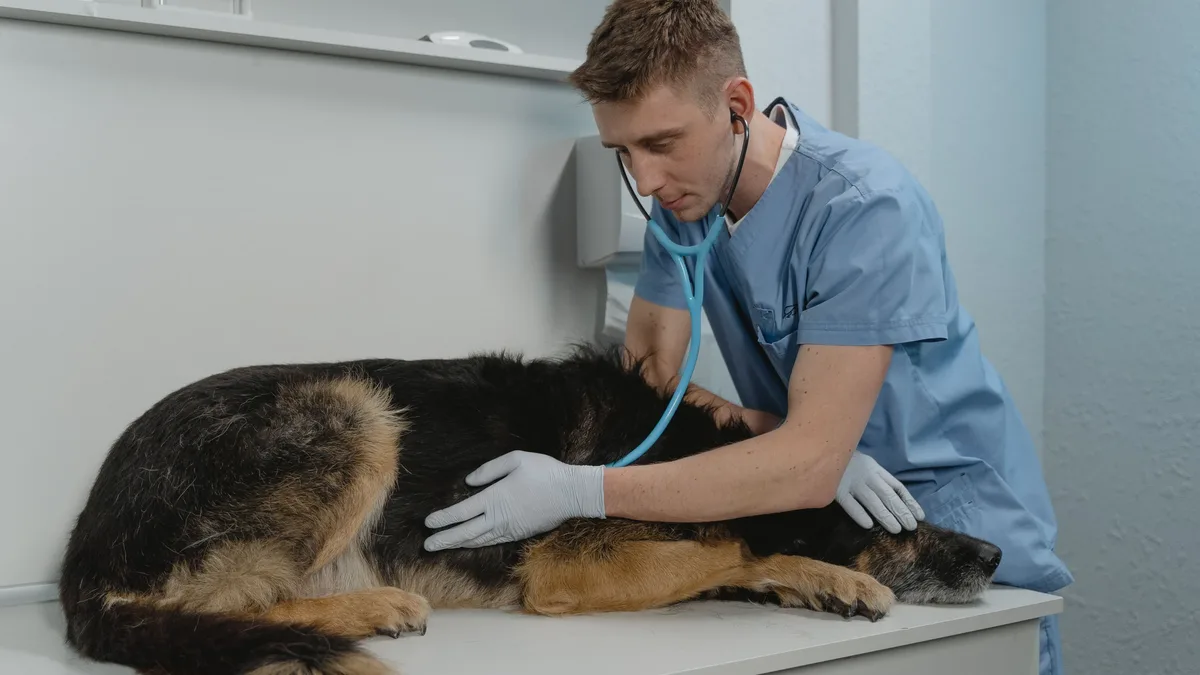
However, a growl can also be a warning sign of abdominal pain or discomfort, which requires prompt veterinary attention. Other signs that may accompany a pain-related growl include tiredness, loss of appetite, changes in toileting habits, bloating, or behavioral shifts like withdrawal or irritability. Abdominal pain has many possible causes, from gastrointestinal issues like the life-threatening gastric dilatation-volvulus, more common in large, deep-chested breeds, to urinary, reproductive, or spinal problems. Owners concerned about such behavior should contact their veterinarian promptly.