Wildfires Threaten Animal Health
Wildfires are affecting ecosystems, livestock, wildlife, and communities worldwide, with approximately 2.6 million hectares burned in the Pantanal in 2024 and an estimated 335 million hectares burned worldwide in 2025.
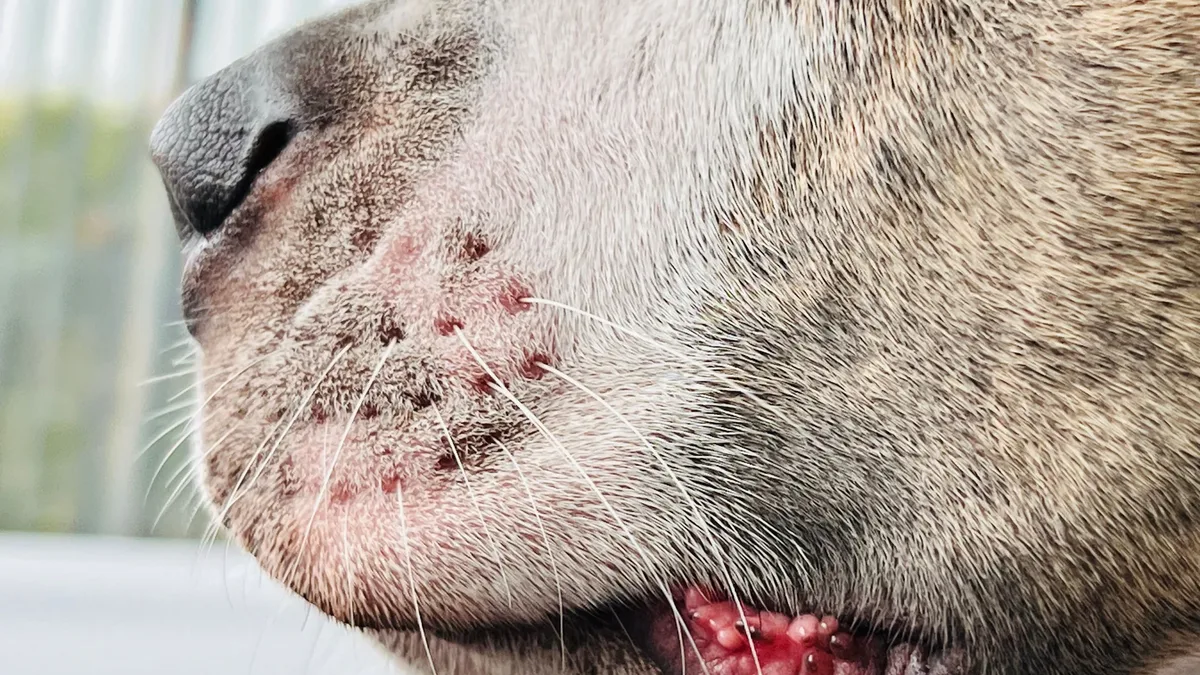
The World Organisation for Animal Health (WOAH) reports that wildfires burned approximately 2.6 million hectares of the Pantanal in 2024, destroying habitat for countless wild animals and threatening livestock production. In 2025, an estimated 335 million hectares burned worldwide, affecting ecosystems, livestock, wildlife, and communities across every inhabited continent.
Impact on Animal Health
Wildfires can cause widespread animal suffering and mortality, disrupt livestock production, destroy habitats and biodiversity, and undermine the livelihoods of rural communities. According to WOAH, displaced wildlife may move into farming areas and human settlements, while livestock are often relocated across regions, and damaged ecosystems can alter disease dynamics and disease transmission mechanisms.
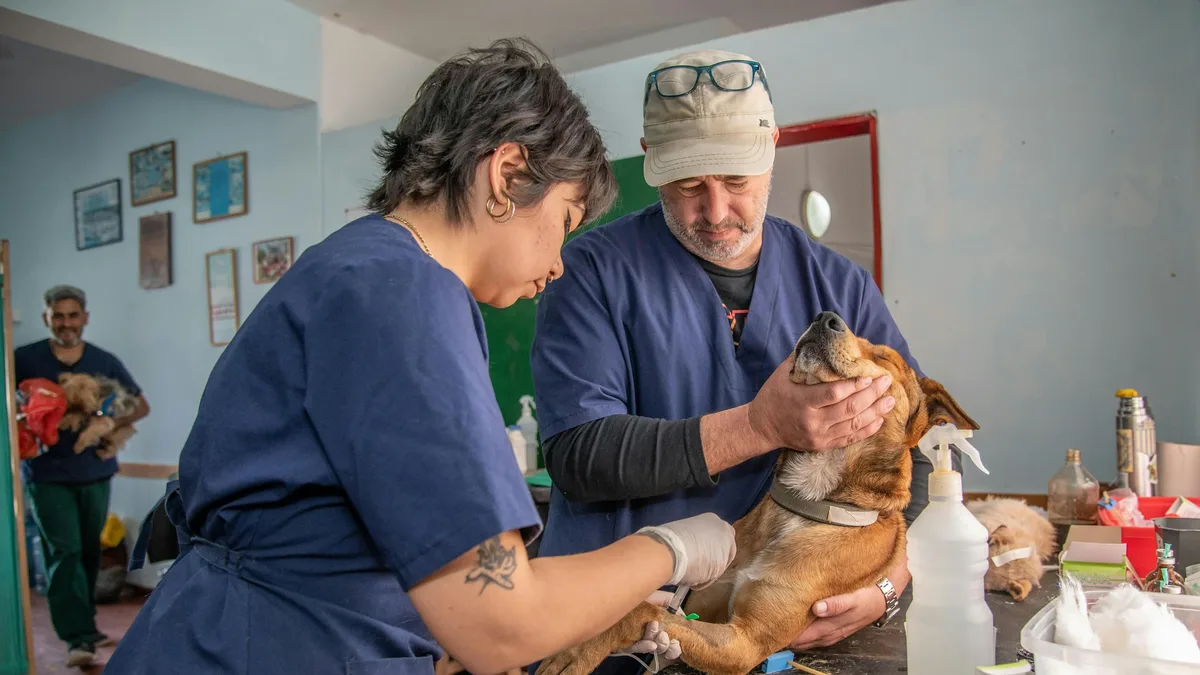
The WOAH highlights that Veterinary Services are uniquely positioned to contribute throughout the disaster management cycle, from prevention and preparedness to emergency response and recovery. They support animal evacuation, emergency veterinary treatment, animal welfare assessments, and coordination with emergency responders.
Role of Veterinary Services
Veterinary Services help restore essential animal health services, strengthen disease surveillance, monitor the health of livestock and wildlife, and support the recovery of rural livelihoods and affected ecosystems. By integrating Veterinary Services into wildfire preparedness, countries can strengthen food security, safeguard biodiversity, support livelihoods, and reinforce community resilience.
WOAH encourages its Members to integrate animal health and welfare into national wildfire preparedness, response, and recovery plans, and to strengthen collaboration between Veterinary Services, emergency management authorities, environmental agencies, wildlife authorities, and other relevant partners. The organization also supports Members through training and capacity-building on emergency management using an all-hazards approach.
International Framework
WOAH's existing international framework provides a strong foundation for this work, with Guidelines on Disaster Management and Risk Reduction in relation to Animal Health and Welfare and Veterinary Public Health, relevant international standards on animal health and welfare, and a commitment to advancing the One Health approach. Through its international standards, technical expertise, and global network of Members, WOAH remains committed to supporting countries in building resilient Veterinary Services that are equipped to respond to the challenges of a changing world.
The WOAH Collaborating Centre Network for Veterinary Emergencies, WOAH Training on Emergency Preparedness, and Guidelines on Disaster Management and Risk Reduction in relation to Animal Health and Welfare and Veterinary Public Health are some of the resources available to support countries in building resilient Veterinary Services. As wildfire risks continue to grow, protecting animals cannot remain an afterthought, and integrating Veterinary Services into national disaster management systems is crucial to ensure that emergency responses protect not only people but also animals, livelihoods, and ecosystems.