Lameness and pain
This page is reference information compiled from the cited sources. It is not medical advice. For any decision about health, diagnosis or care, consult a qualified professional.
What it is
Lameness is an abnormal gait or stance of an animal that is the result of dysfunction of the locomotor system. In the horse, it is most commonly caused by pain, but can be due to neurologic or mechanical dysfunction. Lameness itself is a clinical sign, and not a diagnosis. Pain is the most common cause of lameness in the horse. Mechanical lameness is caused by a physical abnormality, such as scar tissue, that prevents normal motion of a limb and does not cause pain. Neurologic lameness may be the result of infection, trauma, toxicities, or congenital disease.
Key facts
Lameness is a common veterinary problem in racehorses, sport horses, and pleasure horses and is one of the most costly health problems for the equine industry. Pain causing lameness is usually the result of trauma or orthopedic disease, but other causes include metabolic dysfunction, circulatory disease, and infection. Orthopedic causes may result from damage to the hoof, bone, joints, or soft tissue. Horses are predisposed to orthopedic lameness by conformational flaws, poor hoof balance, working on poor footing, repetitive movements, poor conditioning, and competing at a high athletic level. Metabolic causes include hyperkalemic periodic paralysis and polysaccharide storage myopathy. Circulatory causes occur when blood flow to an area is compromised, such as in laminitis. Infectious causes include cellulitis, hoof abscesses, and septic arthritis.
When to seek professional help
Professional veterinary evaluation is warranted if the cause of lameness is not obvious. The source associates professional care with lameness resulting from pain, which is the most common cause. Lameness can be due to neurologic or mechanical dysfunction, and a neurological evaluation may be warranted for neurologic causes. The source describes lameness as a common veterinary problem. Professional diagnosis and treatment are implied for the various causes listed, including orthopedic disease, metabolic dysfunction, circulatory disease, and infection. The source notes that lameness is one of the most costly health problems due to the cost of diagnosis and treatment.
Source: Lameness (equine) (CC BY-SA 4.0 (Wikipedia)), retrieved 2026-09-29.
Latest reporting
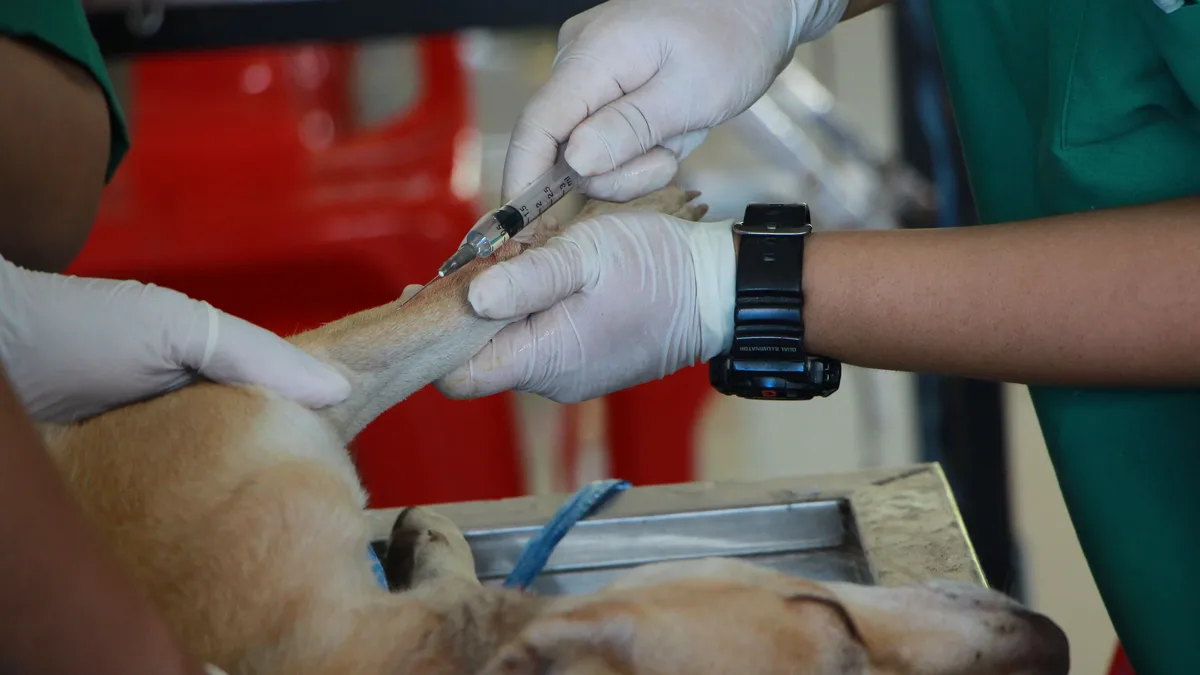
Canine Osteoarthritis: Managing Inflammation
Veterinary experts explain that inflammation is a key driver of pain in canine osteoarthritis, requiring targeted management beyond pain relief alone.
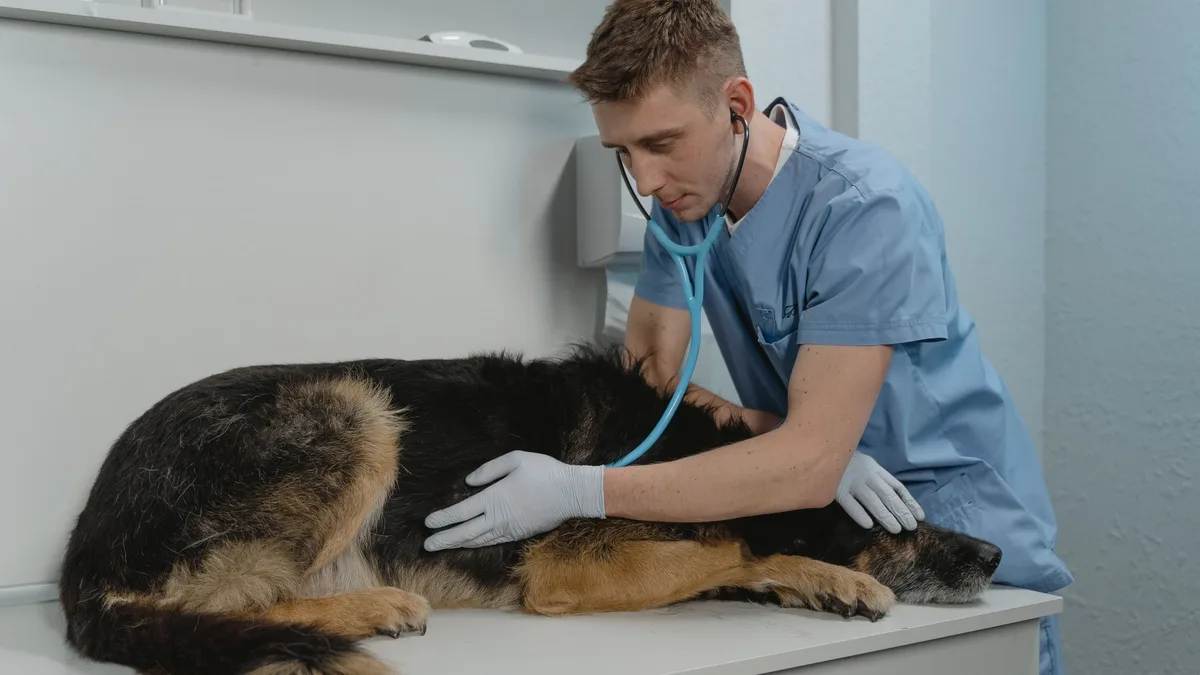
Vets Detail Dog Arthritis Treatment
A veterinary report outlines a multi-modal treatment for canine osteoarthritis, focusing on weight management, pain control, and physical therapy.
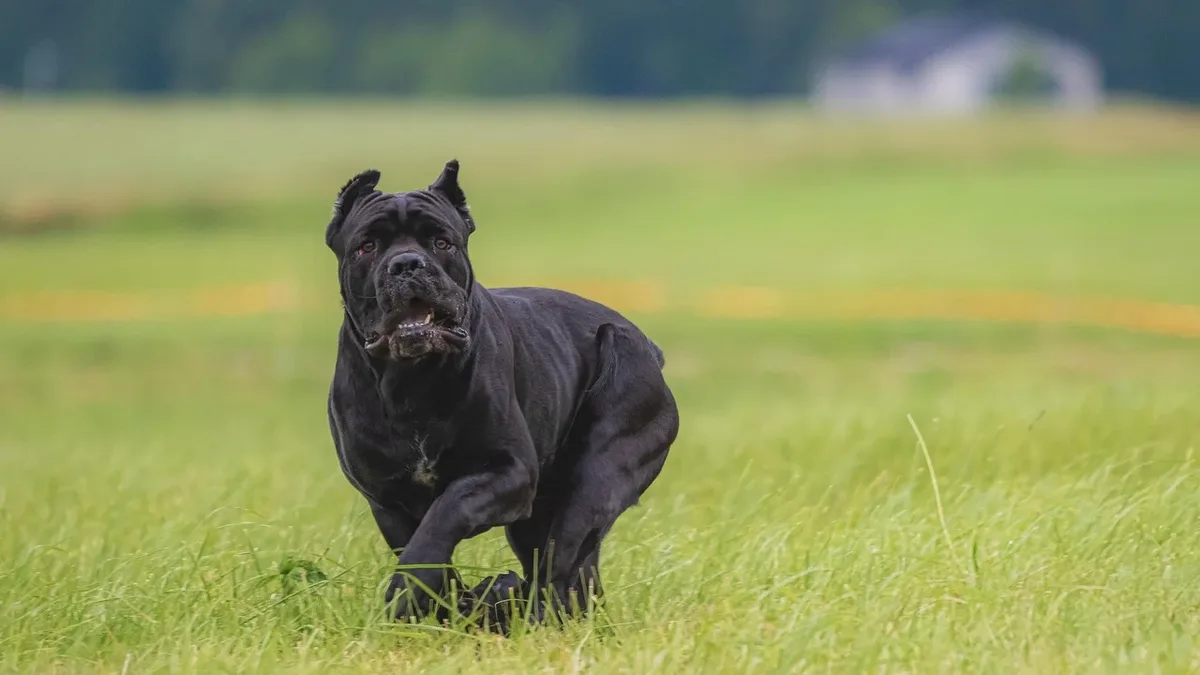
DMOADs: Canine Arthritis Drugs Explained
A vet explains how Disease-Modifying Osteoarthritis Drugs (DMOADs) protect joint cartilage, unlike common pain relievers.
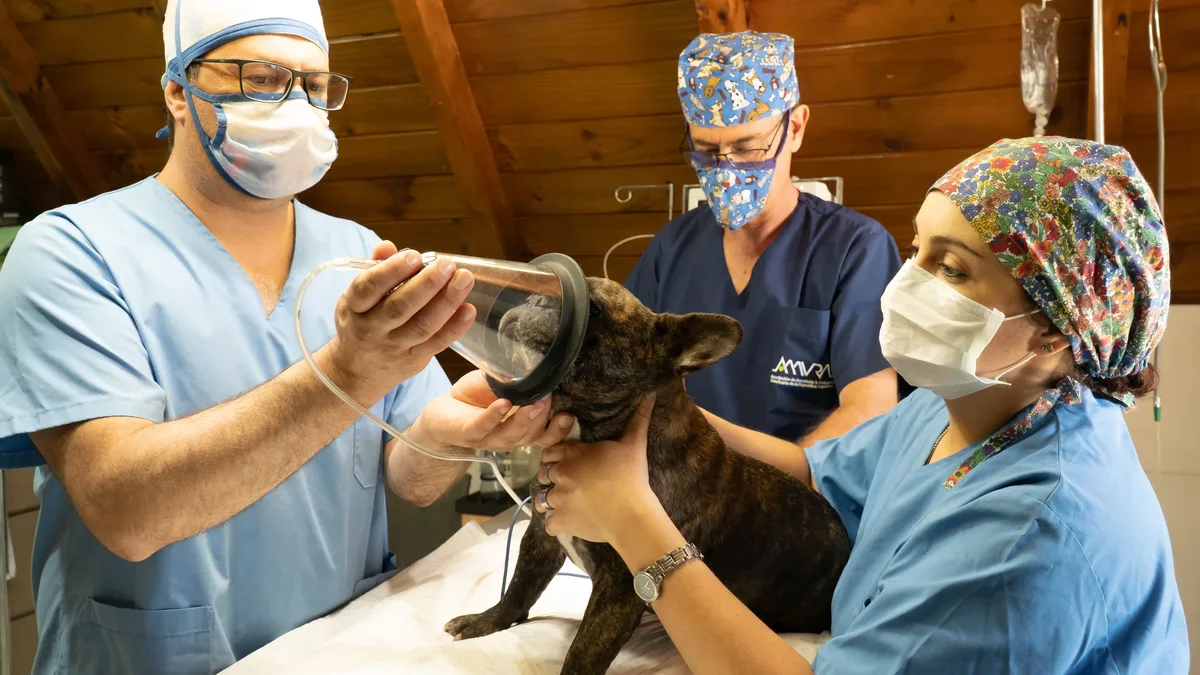
New Veterinary Anesthesia Products and Methods
A veterinary publication has highlighted several new and emerging products and methods for anesthesia and pain management in pets.